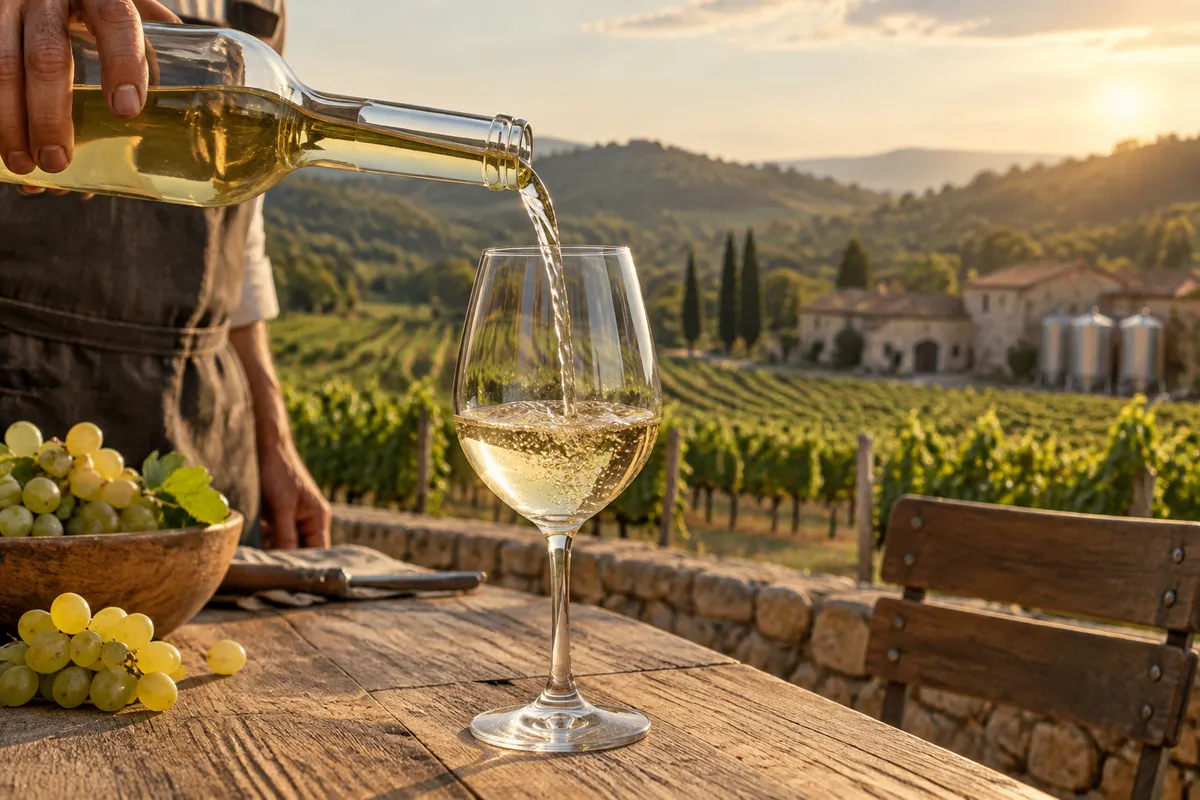
A bottle you open at home and the same wine poured where it was made can feel like two different drinks. This guide shows why that happens, and how to use the idea to plan a wine trip or choose a bottle with more confidence.
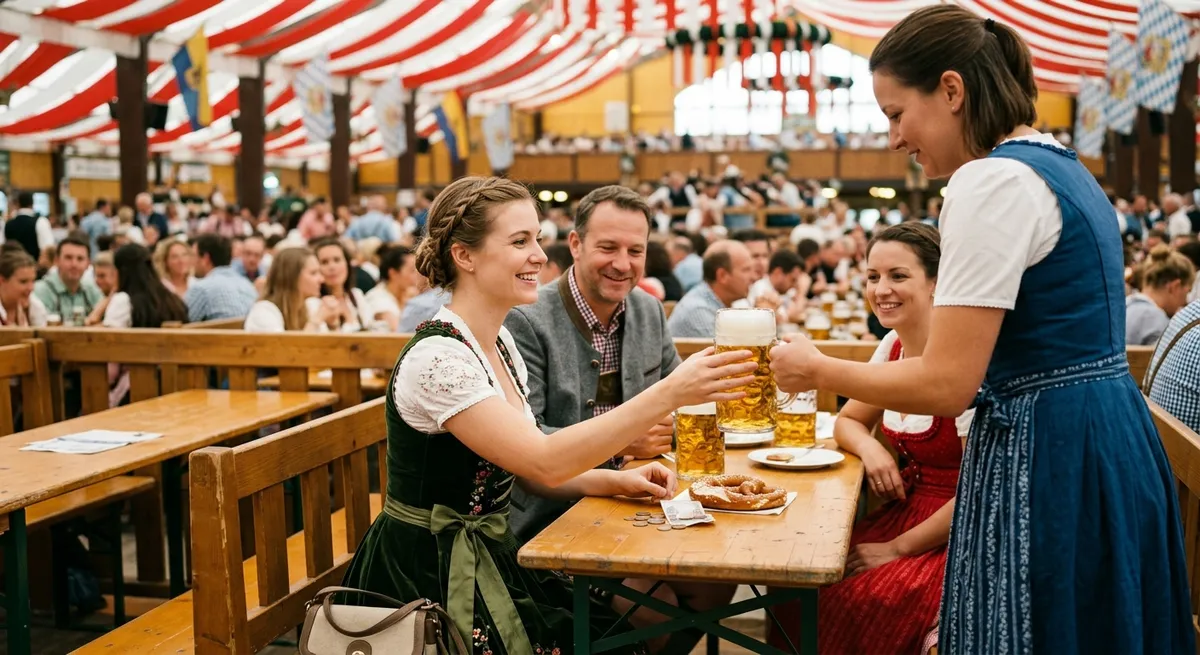
The prompt for this is a Forbes piece on what it calls the Oktoberfest effect. Per Forbes, travelers are increasingly seeking food and drink tied to a specific place, from Oktoberfest in Munich to whisky tourism in Scotland. Its core argument is that provenance (where something is made, who makes it, and the culture around it) adds value, authenticity, and emotional pull. Forbes is writing about beer and whisky, but the logic carries straight over to wine. The rest is my own take on how to apply it.
What provenance actually means
Provenance is more than a place name on a label. Going by the Forbes framing, it has three parts:
- Where it is made.
- Who makes it.
- The culture around it, meaning the traditions, rituals, and settings that come with the product.
That last part is why Oktoberfest works as an example. The drink is only one piece. The setting is part of what you are buying.
Use it as a buying shortcut
You don't have to travel to benefit. Provenance gives you something concrete to look for on a shelf.
Read the label for place and producer
A label that names a specific region and a specific producer is telling you a story you can check. A vague, generic label gives you nothing to follow up on. When two bottles cost about the same, favor the one that tells you more about where it came from and who made it.
Ask the shop about the story
A good wine seller can usually say something about the people and place behind a bottle. Try asking: "Who makes this, and what is the region known for?" If the answer is specific, you have learned something. If you get a shrug, that is information too.
Pair the bottle with its home cuisine
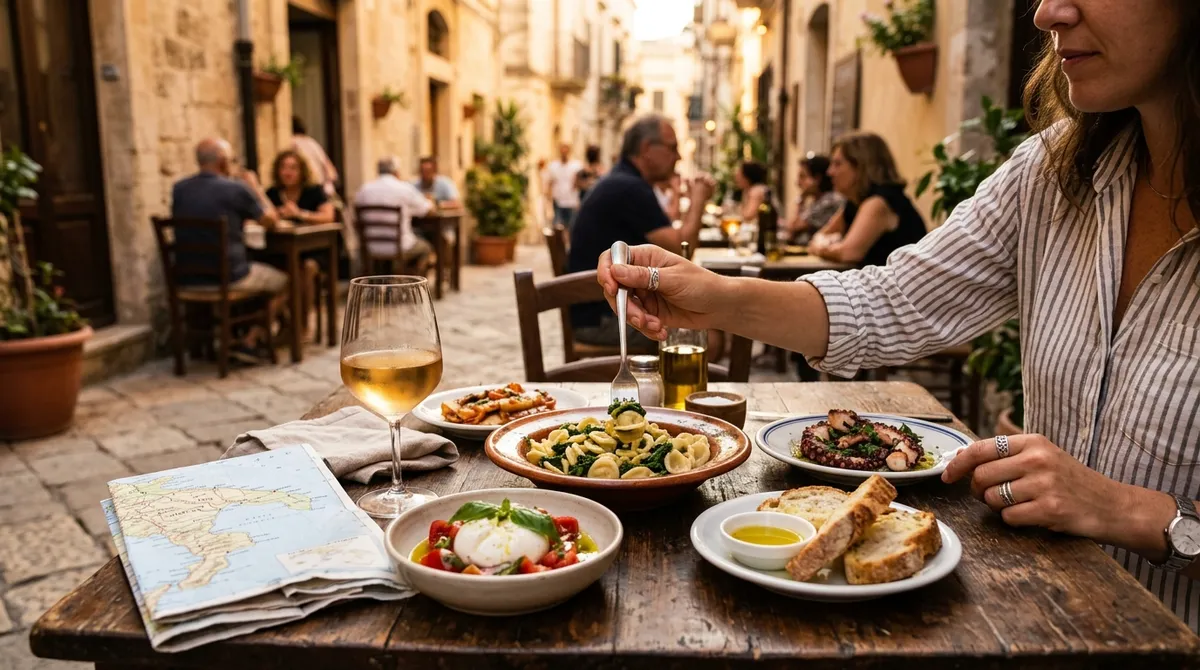
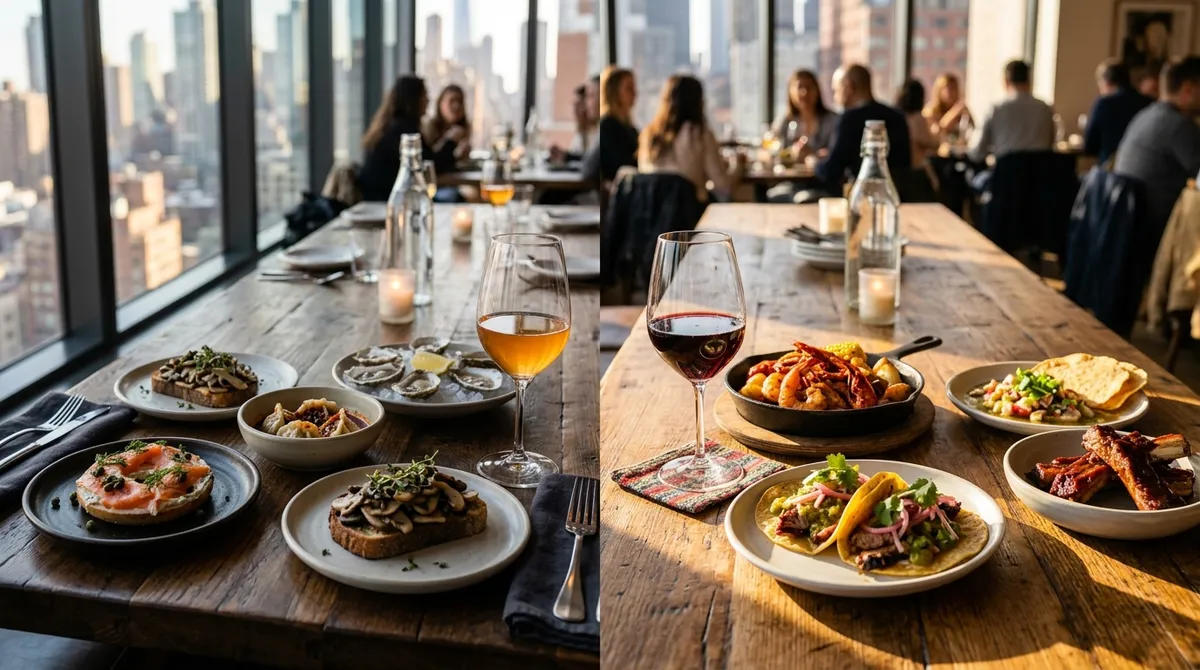
The culture around a wine often includes the food it was made to sit beside. Cook something from the same region and open the bottle with it. It is the cheapest way to borrow a little of the source experience at your own table.
Why wine at the source feels more premium
Forbes argues that origin stories add emotional pull, and that is a fair description of what happens at a winery or in a wine town. You meet the people, see the setting, and hear why things are done a certain way. Then the bottle carries that memory home with you.
This is my analysis rather than something Forbes states about wine: the extra value is partly sensory and partly narrative, and it is hard to separate the two. That is fine. A drink that means something to you is worth more to you, and there is nothing fake about that.
Plan a trip around taste
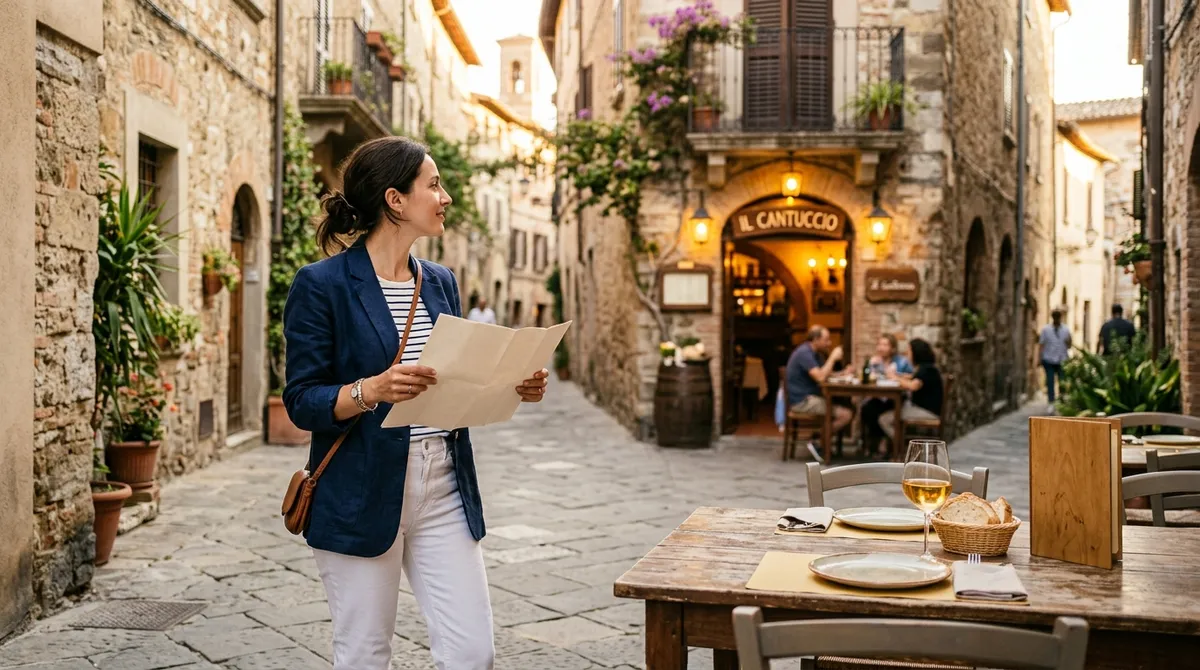
Forbes notes that culinary travel is booming as people look for more meaningful, place-based experiences instead of generic tourism. If you want to do the same with wine, here is a simple way to build a trip.
1. Pick one wine you already love
Start with a style or bottle you know. Your trip then has a purpose, and you can judge what you find against something familiar.
2. Find where it comes from
Look up the region and the producer on the label. That gives you your destination.
3. Build the days around the culture, not just the tasting room
Oktoberfest is the model Forbes points to for experience-led tourism: the event, the setting, and the traditions are the draw. Look for the wine equivalents, such as local food, harvest-season activity, and the places where residents actually drink.
4. Ask people who make it
The "who" in provenance is the easiest part to get at in person. Ask producers why they make wine the way they do. Their answers are what you cannot get from a label.
5. Bring one bottle home
Choose something you tasted in context. When you open it later, you get a small return trip.
Local traditions turn products into travel magnets
The Forbes piece makes a broader point: brands, regions, and creators are leaning into origin stories to stand out in crowded food, drink, and travel markets. As a wine drinker, that works in your favor. Regions that invest in telling their story tend to offer more to see and do, which makes them easier to plan a trip around. It also means you should treat a polished origin story as a starting point. Taste the wine and decide whether it earns the story.
The takeaway
Next time you buy a bottle, pick the one whose label tells you where it comes from and who made it, then look up that place before you open it. If it moves you, make it your next destination.