A Forgotten Classic From 1940
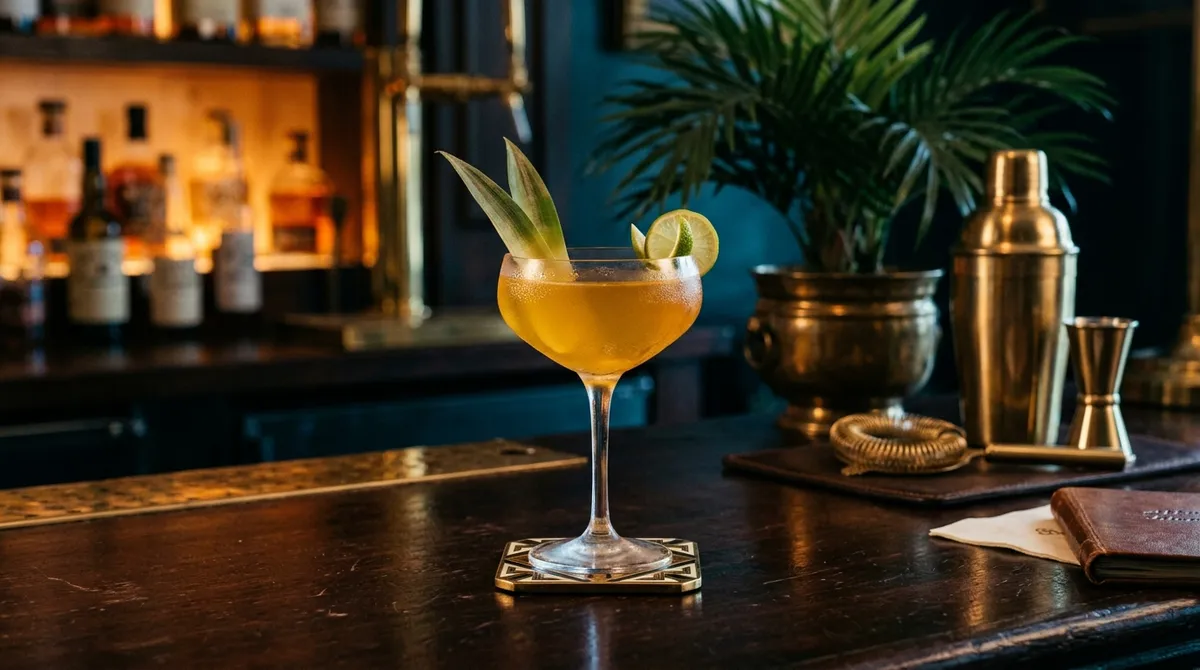
Long before tiki bars became a cultural phenomenon, a little-known cocktail called the Pago Pago was quietly doing something remarkable. First appearing in print in the 1940 volume The How and When, this proto-tiki drink blends rum, green Chartreuse, crème de cacao, lime, and pineapple into one of the most refreshing combinations a home bartender can put together.
With tropical and vintage cocktail revivals continuing to capture the imagination of home mixologists — especially as summer entertaining heats up — the Pago Pago is having a quiet moment in the spotlight. And for good reason.
What Makes It a Proto-Tiki Drink?
The term "proto-tiki" refers to cocktails that predate the mainstream tiki craze but share its essential DNA: tropical fruits, layered spirits, and a playful, escapist spirit. The Pago Pago fits this description precisely. It predates the elaborate rum-forward tiki culture that would later define mid-century American drinking, yet it already contains the building blocks — rum as the base, pineapple for tropical brightness, and citrus for balance.
What sets it apart from later tiki drinks is the addition of green Chartreuse and crème de cacao. These two liqueurs add a herbal complexity and a subtle chocolatey depth that you simply don't find in more conventional tropical cocktails. The result is a drink that bridges Prohibition-era cocktail craft and the flamboyant tiki era that followed.
The Ingredients Breakdown
Understanding each component helps you make a better drink — and substitute intelligently when needed.
Rum: The style of rum you choose matters more than you might think. According to reports, rum agricole — made from fresh sugarcane juice rather than molasses — adds a distinctive grassy, vegetal flavor that plays beautifully with the herbal notes of Chartreuse. A lighter Puerto Rican rum, by contrast, produces a cleaner, more neutral base. Both work, but they yield noticeably different results.
Green Chartreuse: This French herbal liqueur has developed a cult following in recent years, partly due to its scarcity and complex flavor profile. Its combination of herbs and botanicals gives the Pago Pago an aromatic backbone that elevates it well beyond a simple tropical drink.
Crème de Cacao: A touch of chocolate liqueur may seem unexpected in a tropical cocktail, but it rounds out the edges and adds a quiet richness that keeps the drink from feeling too sharp or acidic.
Lime: Fresh lime juice provides the essential citrus acidity that ties the whole cocktail together and prevents the sweetness from becoming cloying.
Pineapple: Whether you use fresh pineapple chunks or juice, this ingredient supplies the tropical fruit character that anchors the drink in proto-tiki territory.
Getting the Most From Your Pineapple
Pineapple quality varies enormously depending on season and source, and a bland pineapple can flatten an otherwise excellent cocktail. According to reports on the recipe's preparation, a small addition of salt, a saline solution, or a little simple syrup can dramatically improve the flavor of underwhelming pineapple juice or chunks.
This is a technique increasingly used by professional bartenders: a pinch of salt doesn't make a drink taste salty, it amplifies the existing fruit flavors and adds a dimension that sugar alone cannot achieve. If your pineapple isn't as vibrant as you'd like, consider this an essential fix rather than an optional tweak.
Why Now Is the Perfect Time to Try It
Summer drinking culture and Father's Day gifting both drive significant interest in cocktail recipes that feel special but are still approachable for home bartenders. The Pago Pago checks both boxes. It uses a relatively short ingredient list, rewards thoughtful spirit selection, and delivers a genuinely complex drinking experience.
The cult status of green Chartreuse also adds a certain cachet. Finding a bottle has become something of a mission for enthusiasts, and recipes that showcase it — particularly historically interesting ones — tend to resonate strongly with curious drinkers.
Riffs and Variations to Explore
Once you've made the classic version, there's plenty of room to experiment. Swapping rum styles — agricole versus Puerto Rican versus aged Jamaican — produces meaningfully different drinks from the same recipe. Testing fresh pineapple chunks against store-bought juice is another worthwhile experiment, particularly when combined with the saline technique described above.
For those who find green Chartreuse difficult to source, exploring other complex herbal liqueurs as a substitute offers a practical path to a similar flavor profile, though the result will naturally differ from the original.
A Bridge Between Eras
The Pago Pago is more than a curiosity from a 1940 cocktail manual. It represents a genuine missing link between Prohibition-era craft and the tiki culture that captured America's imagination in the decades that followed. Rediscovering it now — with better ingredients, better technique, and a growing appetite for vintage drinks — feels entirely timely.