Wine Doesn't Have to Be Intimidating
For many casual drinkers, walking into a wine shop or reading a restaurant wine list can feel like stepping into a foreign country without a phrasebook. But according to wine educators and content creators, it doesn't have to be that way. A growing wave of beginner-focused wine education is stripping away the gatekeeping and making wine culture accessible to everyone—regardless of experience level.
The core message? There is no right or wrong way to enjoy wine. The only question that truly matters is whether you like what's in your glass.
The Formal Tasting Method, Simplified
While personal preference is always the final word, there is a structured approach to tasting wine that can help you better understand what you're drinking—even before you take your first sip.
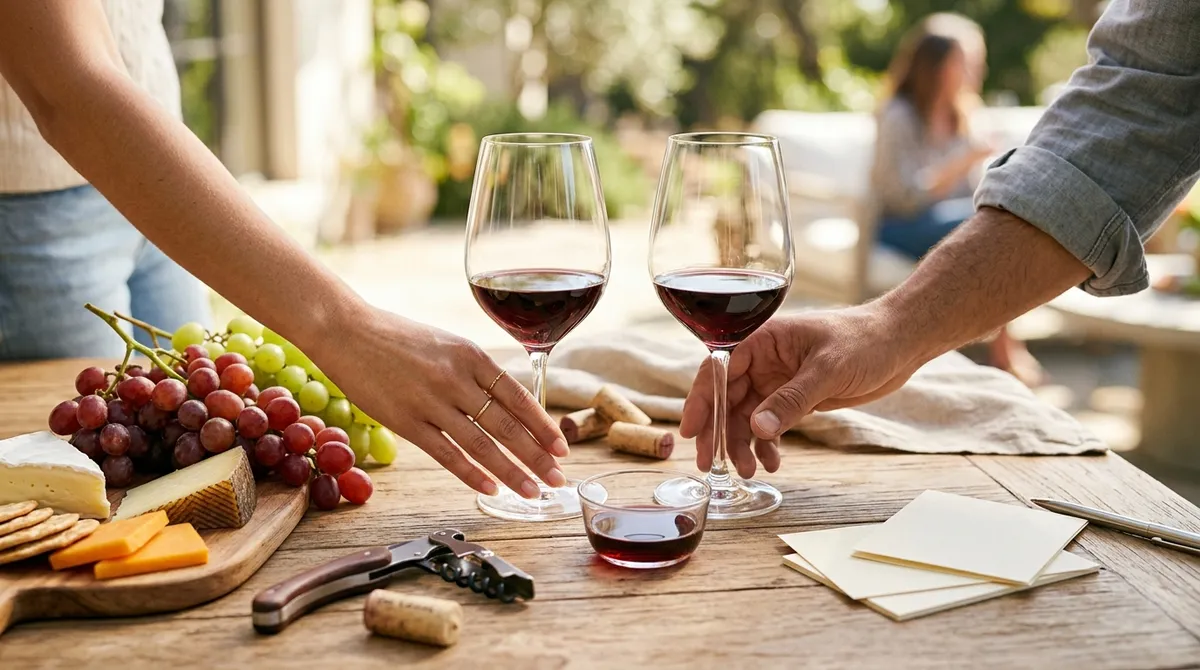
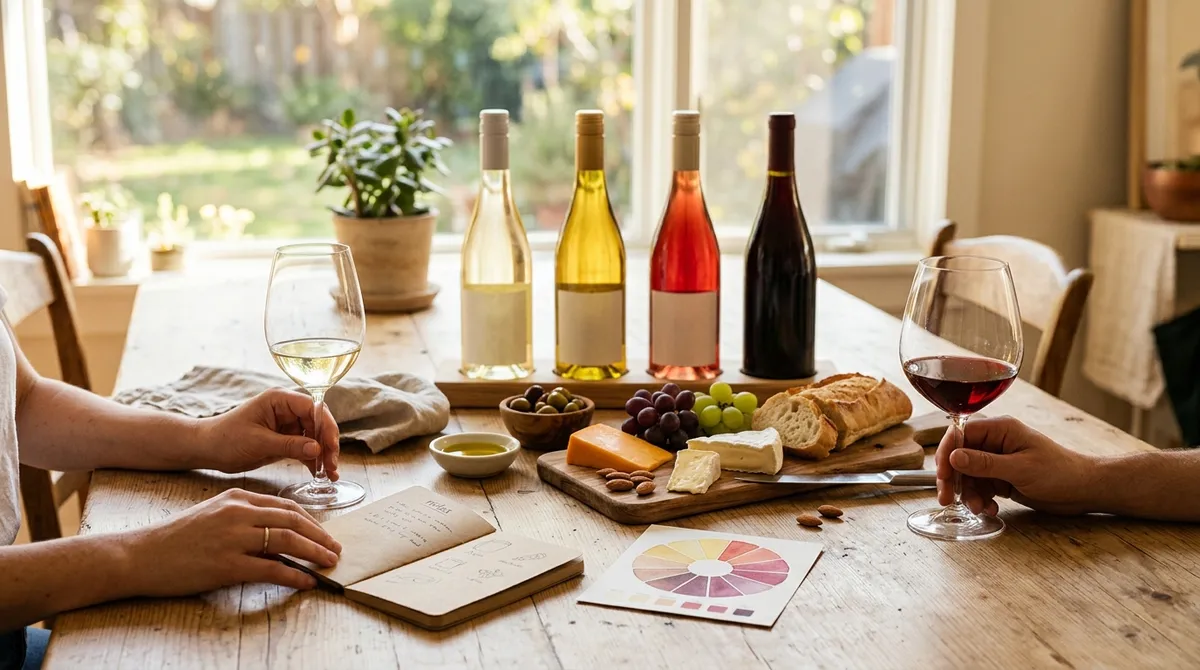
According to the guide, this formal tasting method can feel intimidating at first, but breaking it down step by step leaves drinkers feeling comfortable and confident. The process typically involves observing the wine's appearance, swirling the glass to release aromas, nosing the wine carefully, and finally tasting with intention.
Swirling, for instance, isn't just a performance for wine snobs. It serves a practical purpose: agitating the wine releases volatile aroma compounds, giving you a fuller picture of the wine's flavor profile before it even touches your palate. Understanding the why behind each step makes the method far less mysterious.
Flavor Science and What's Actually in Your Glass
One of the most engaging aspects of wine education is the science behind flavor. Wine's complexity comes from a combination of factors—grape variety, fermentation, aging, and even the soil in which the vines grow. These elements interact to produce the wide spectrum of tastes and aromas that make wine so endlessly varied.
For beginners, learning a handful of key grape varieties is one of the fastest ways to build confidence. Understanding the broad flavor profiles associated with grapes like Cabernet Sauvignon, Pinot Noir, Chardonnay, or Sauvignon Blanc gives you a reliable framework for navigating any wine list or bottle shop shelf.
Serving Wine the Right Way
Serving temperature and glassware matter more than most beginners realize. Serving a red wine too warm or a white wine too cold can significantly mute its aromas and flavors. While you don't need a sommelier's precision, a few basic guidelines can meaningfully improve your experience at home.
Similarly, the shape of a wine glass influences how aromas are directed toward your nose—which is why different glass styles exist for different wine types. Again, you don't need a full cabinet of specialty stemware to enjoy wine well, but knowing the basics helps you get the most from whatever bottle you open.
Food Pairing Without the Rules
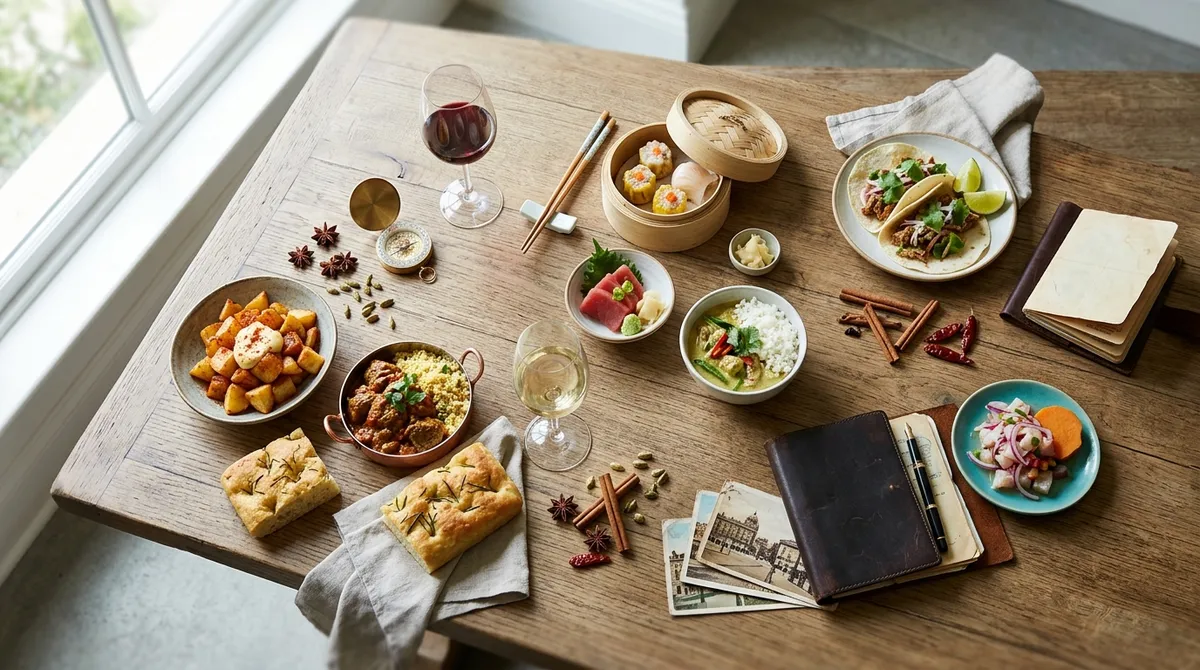
Food and wine pairing is often presented as a rigid system of dos and don'ts, but modern wine education encourages a more flexible, exploratory approach. The goal is to find combinations where both the food and the wine are enhanced by each other's presence.
Classic pairing principles—like matching the weight of the wine to the richness of the food—provide a useful starting point. But experimentation is equally valid. Regional pairings, where you match wines with the cuisine of the same area, are another reliable shortcut for beginners looking to build their pairing instincts.
Wine's Cultural Resurgence Among Younger Drinkers
Wine content is experiencing a notable resurgence, particularly among Gen Z and younger millennials who are embracing wine culture on their own terms—beyond outdated stereotypes of stuffiness and exclusivity. There is significant appetite, according to reports, for educational wine content that is non-pretentious and builds genuine confidence in casual drinkers.
This shift is reflected in how wine education is being delivered. Short-form video content, interactive tastings, and myth-busting posts are drawing new audiences into wine appreciation in ways that traditional media never could. The emphasis is consistently on knowledge without judgment.
History and Storage: The Bigger Picture
Beyond tasting and pairing, a well-rounded wine education touches on history and storage. Wine has been central to human culture for thousands of years, and understanding its historical and cultural significance adds a richer layer of appreciation to every bottle.
Proper storage—keeping wine away from heat, light, and vibration—helps preserve quality over time. Even for casual home drinkers without a dedicated cellar, a few simple habits can make a real difference.
Start Where You Are
The most important takeaway from any Wine 101 guide is that the learning process should be enjoyable. You don't need to master everything at once. Start with a grape variety that interests you, try the tasting method at your own pace, and let curiosity guide the rest. Wine culture, at its best, is about discovery—and every bottle is an opportunity to learn something new.