Understanding Blind Wine Tasting
Blind wine tasting represents one of the most challenging yet rewarding skills in the wine world. According to reports, this practice involves evaluating wines without knowing their identity, origin, or price point, allowing tasters to focus purely on the sensory experience.
The technique removes preconceptions and biases that can influence our perception of a wine's quality and characteristics. Without labels or prior knowledge, tasters must rely entirely on their senses to assess what's in their glass.
Essential Preparation Techniques
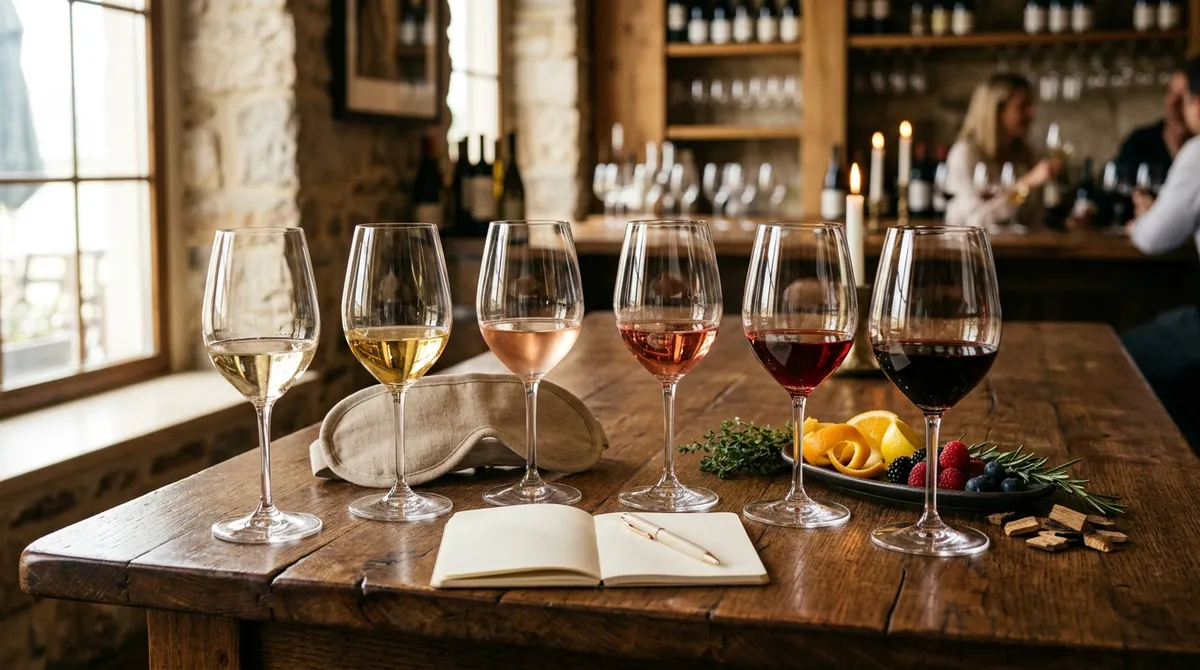
Proper preparation forms the foundation of successful blind tasting. Reports indicate that experts recommend creating an optimal tasting environment with good lighting, neutral surroundings, and appropriate glassware.
The selection of wines for blind tasting should be strategic. According to guidance from wine professionals, choosing wines from similar categories or regions can help develop comparative tasting skills while maintaining an appropriate level of difficulty.
Temperature control proves crucial for accurate assessment. Experts suggest ensuring all wines are served at their optimal temperatures to allow their true characteristics to shine through.
Developing Your Sensory Skills
Building proficiency in blind tasting requires systematic development of sensory awareness. According to reports, the process begins with visual examination, noting color, clarity, and intensity before moving to aromatic assessment.
Professionals recommend taking time to identify primary, secondary, and tertiary aromas. This methodical approach helps build a vocabulary and memory bank of scent associations that prove invaluable during blind evaluations.
Taste analysis should follow a structured pattern, evaluating acidity, tannins, body, and finish. Reports suggest that consistent methodology helps develop reliable assessment skills over time.
Expert Evaluation Methods
According to wine professionals, successful blind tasting relies on systematic evaluation techniques. The process typically begins with initial impressions before progressing to detailed analysis of individual components.
Experts recommend taking notes throughout the tasting process, documenting observations about appearance, aroma, and taste characteristics. This practice helps develop analytical skills and provides reference points for future tastings.
Comparative tasting methods prove particularly effective for skill development. According to reports, evaluating multiple wines simultaneously helps identify subtle differences and similarities that might otherwise go unnoticed.
Building Wine Knowledge Foundation
Successful blind tasting requires comprehensive knowledge of wine regions, grape varieties, and production methods. Reports indicate that understanding how different factors influence wine characteristics provides essential context for accurate identification.
Studying classic examples from major wine regions helps develop benchmarks for comparison. According to experts, familiarity with regional styles and typical characteristics significantly improves identification accuracy.
Vintage variations and aging effects represent additional knowledge areas that enhance blind tasting abilities. Understanding how wines evolve over time helps tasters make more accurate assessments of a wine's age and development stage.
Practice and Improvement Strategies
Regular practice forms the cornerstone of blind tasting mastery. According to reports, consistent exposure to different wine styles and varieties gradually builds the sensory memory necessary for accurate identification.
Group tasting sessions provide valuable learning opportunities through discussion and comparison of different perspectives. Experts suggest that collaborative evaluation helps identify personal biases and expands analytical approaches.
Keeping detailed tasting records allows for progress tracking and pattern recognition. Reports indicate that reviewing past notes helps identify areas for improvement and reinforces learning from previous experiences.
Common Challenges and Solutions
Blind tasting presents several common challenges that can be addressed through proper technique and practice. According to experts, overthinking represents one of the most frequent obstacles, leading to second-guessing of initial impressions.
Palate fatigue can significantly impact tasting accuracy during extended sessions. Reports suggest limiting the number of wines evaluated in a single session and using palate cleansers between tastings to maintain sensory acuity.
Developing confidence in personal assessments requires time and experience. According to wine professionals, accepting that identification accuracy improves gradually helps maintain motivation during the learning process.