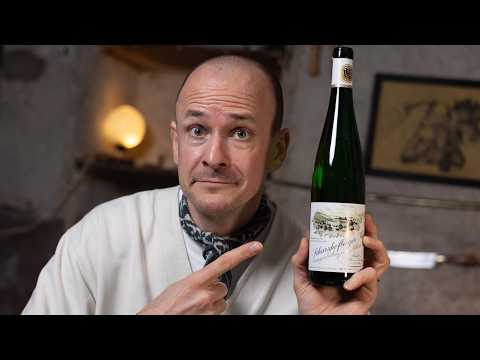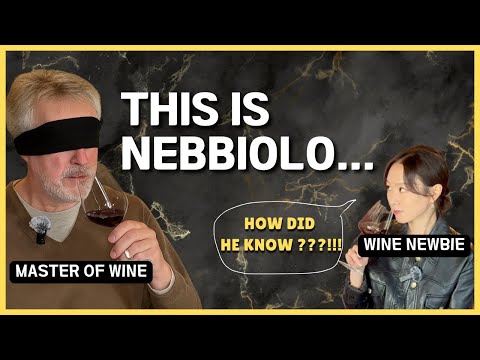
Blind wine tasting is an art that can be mastered with practice and keen observation. In this insightful guide, Master of Wine Patrick Farrell shares his expertise on how to enhance your skills in evaluating wines without any prior information. Whether you’re a novice or have some experience, this comprehensive guide will help you sharpen your palate and improve your tasting abilities.
Understanding the nuances of blind tasting involves focusing on what you see, smell, and taste in a wine. Patrick Farrell walks us through a real-world blind tasting scenario, offering practical tips on how to assess a wine’s characteristics. He emphasizes the importance of observing the wine’s color and clarity, which can give initial clues about its age and grape variety. The aroma is another key aspect, requiring you to identify different scents that could range from fruity to earthy notes.
Tasting is the final step where your palate comes into play. Patrick highlights the significance of noting the wine’s texture, acidity, sweetness, and tannins. Each of these elements contributes to the overall profile of the wine, allowing you to make more informed guesses about its origins and composition.
Time is a crucial factor in blind tasting. Training your palate requires patience and consistency. Patrick also advises letting the wine breathe in the glass for a while before making a judgment, as it can reveal more of its character over time. This process of opening up is essential for a comprehensive evaluation.
With these expert strategies from Patrick Farrell, you can begin your journey into the fascinating world of blind wine tasting. By focusing on the visual, olfactory, and taste components, and allowing time for the wine to develop, you’ll be well on your way to tasting like a professional.
Explore more about Patrick’s insights and connect with him through his online platforms to further enhance your wine tasting skills.
#wine #tasting #masterofwine #blindtaste #wineskills