Legislative Movement Gains Momentum
The raw milk movement is experiencing unprecedented legislative support across the United States, with more than 40 bills currently advancing nationwide. According to reports, this surge represents a pivotal moment in food safety policy, as states actively work to legalize raw milk sales and expand access beyond traditional farm-exclusive purchases.
The timing is significant, with RFK Jr. reportedly in a position of influence during this critical period of food safety deregulation discussions.
Understanding Raw Milk and Health Claims
Raw milk refers to unpasteurized dairy products that have not undergone the heating process designed to eliminate harmful bacteria. While supporters of raw milk consumption claim various health benefits, reports indicate there is no scientific evidence supporting these assertions.
The appeal of raw milk often stems from the belief that "natural equals healthy," a concept that resonates strongly with certain consumer segments despite contradictory scientific evidence.
Documented Health Risks
According to health experts, raw milk consumption carries serious documented health risks, including exposure to dangerous pathogens such as E. coli, Listeria, and Salmonella. These foodborne illnesses can have severe consequences, particularly for vulnerable populations.
Reports highlight that certain groups face outsized danger from raw milk consumption, including pregnant women and children. The risks are not merely theoretical—there have been documented cases of serious illness and even death linked to raw milk consumption, including reports of an expert's son who died in an E. coli outbreak.
Shifting from Farms to Retail
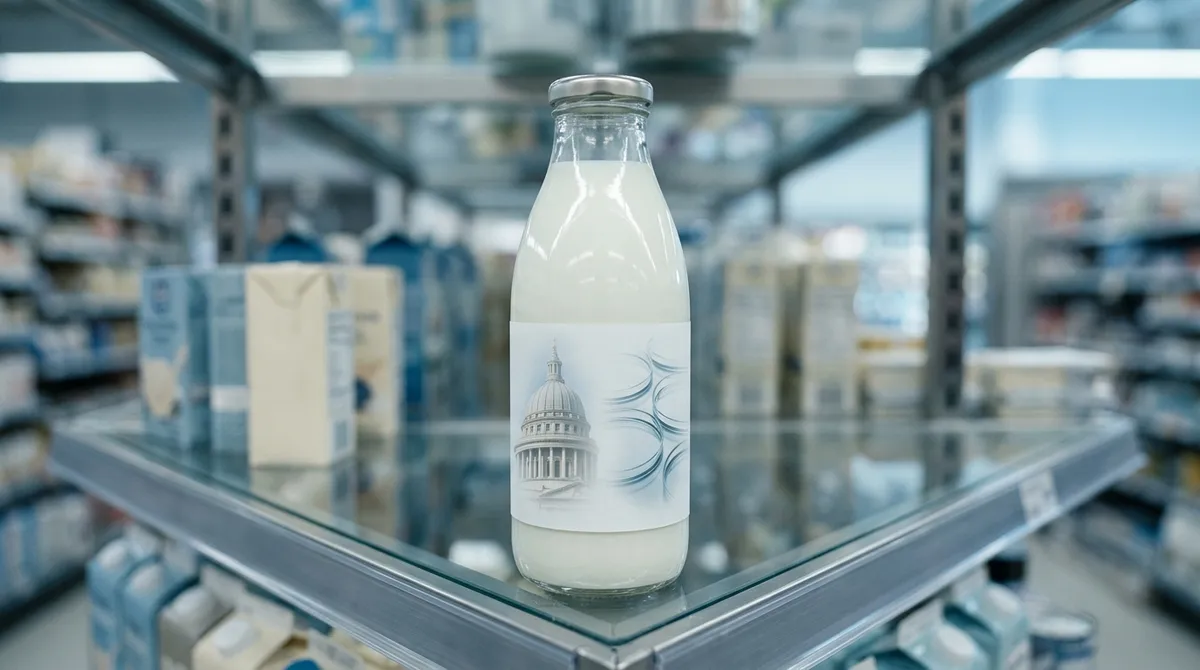
The current legislative push represents a significant change in raw milk accessibility. New legislation is reportedly shifting raw milk availability from farm-exclusive sales to mainstream retail outlets. This expansion could potentially affect even consumers who don't personally choose to purchase raw milk, as it normalizes the presence of unpasteurized dairy products in common shopping environments.
The "Personal Choice" Framework
Much of the current debate frames raw milk consumption as a matter of personal freedom and individual choice. However, reports suggest this framing may mask broader public health concerns. The characterization of a documented health risk as merely a "personal choice" issue could potentially set a precedent for deregulating other products with known safety risks.
Broader Policy Implications
The raw milk movement appears to represent what some experts view as a template for broader deregulation efforts. Reports indicate concerns about a potential slippery slope, where the success of raw milk legalization could pave the way for loosening safety standards on other food products.
This tension between individual freedom and public safety regulation represents a fundamental policy question that extends beyond dairy products alone.
Misinformation Gap
According to reports, there exists a significant gap between what raw milk advocates claim about health benefits and what scientific research actually demonstrates. This misinformation gap has become a central concern for public health officials and food safety experts.
The persistence of these unsupported health claims, despite contrary scientific evidence, highlights the challenge of combating food-related misinformation in an era of increased skepticism toward traditional health authorities.
State-by-State Variations
Reports suggest that different states are experiencing varying levels of raw milk-related health incidents, with some areas showing higher rates of foodborne illness outbreaks connected to unpasteurized dairy consumption. This state-by-state variation in outcomes provides real-world data on the public health impacts of raw milk legalization.
Looking Ahead
As this legislative movement continues to gain traction, the raw milk debate represents a broader conversation about the balance between personal freedom, consumer choice, and public health protection. The outcome of these current legislative efforts may have lasting implications for food safety policy and the regulatory framework governing potentially risky food products.
For consumers, understanding both the claimed benefits and documented risks remains crucial as raw milk becomes increasingly available through legal retail channels.