
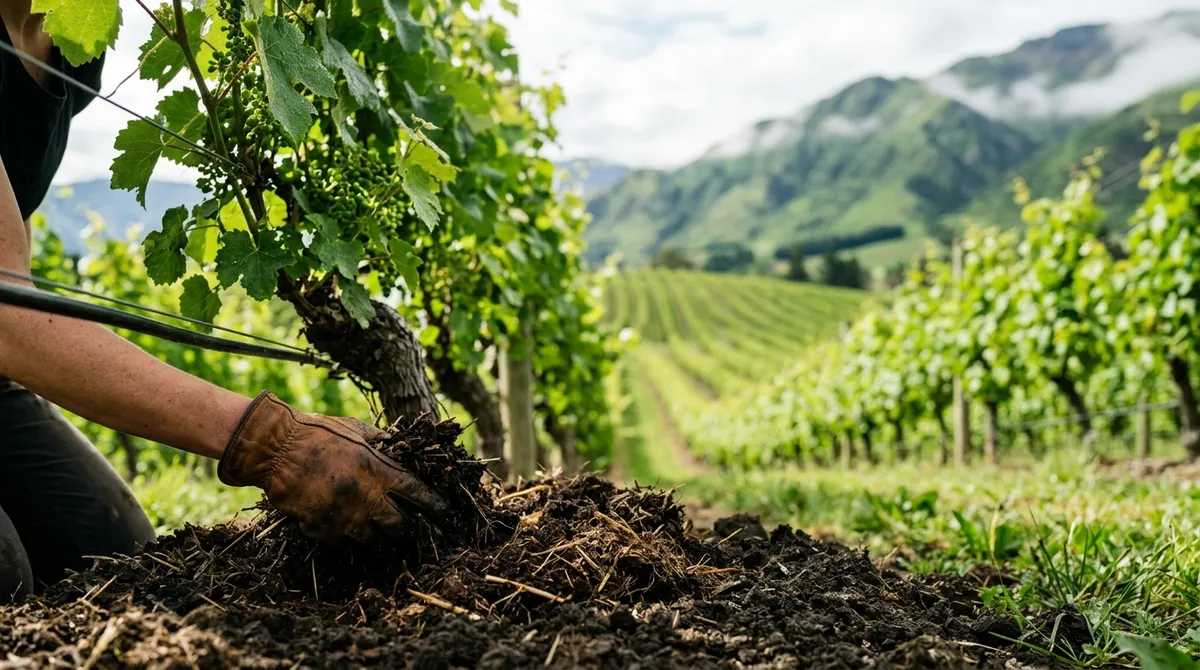
Understanding Terroir Compost in Winemaking
According to reports, New Zealand's wine industry is examining the relationship between terroir compost and organic viticulture practices. This development reflects the growing interest in sustainable farming methods within the country's renowned wine regions.
The concept of terroir compost involves utilizing locally sourced organic materials that reflect the specific environmental characteristics of a vineyard site. This approach aligns with organic viticulture principles that emphasize working with natural processes rather than relying on synthetic interventions.
Organic Viticulture Trends
New Zealand's wine industry has been progressively adopting organic viticulture methods, according to industry observations. These practices typically involve:
- Eliminating synthetic pesticides and herbicides
- Using natural fertilizers and soil amendments
- Implementing biological pest control methods
- Maintaining soil health through organic matter incorporation
The integration of terroir-specific compost represents an evolution in these organic practices, potentially offering winemakers a way to enhance their vineyard's unique characteristics while maintaining sustainable production methods.
Environmental Considerations
The adoption of terroir compost and organic viticulture practices in New Zealand reflects broader environmental awareness within the wine industry. These methods can contribute to soil health improvement, biodiversity preservation, and reduced chemical inputs in vineyard management.
Organic viticulture practices often require more intensive management and monitoring compared to conventional methods. However, proponents suggest that the long-term benefits to soil health and vineyard sustainability justify the additional effort and investment required.
Regional Impact
New Zealand's diverse wine regions, from Marlborough to Central Otago, present varying conditions for implementing organic viticulture and terroir compost applications. Each region's unique climate, soil composition, and topography influence how these sustainable practices can be most effectively applied.
The country's wine industry has built a reputation for quality and innovation, making it a natural testing ground for advanced sustainable viticulture techniques. The exploration of terroir compost represents another step in this ongoing evolution toward environmentally conscious wine production.
Looking Forward
As New Zealand's wine industry continues to develop these sustainable practices, the implementation of terroir compost and organic viticulture methods may influence production standards and quality outcomes across different wine regions. The focus on locally sourced, environmentally appropriate farming methods aligns with consumer demand for sustainably produced wines.
The development of these practices also contributes to the broader conversation about sustainable agriculture and its role in maintaining the distinctive characteristics that make New Zealand wines unique in the global marketplace.