The Rise of Accessible Wine Education
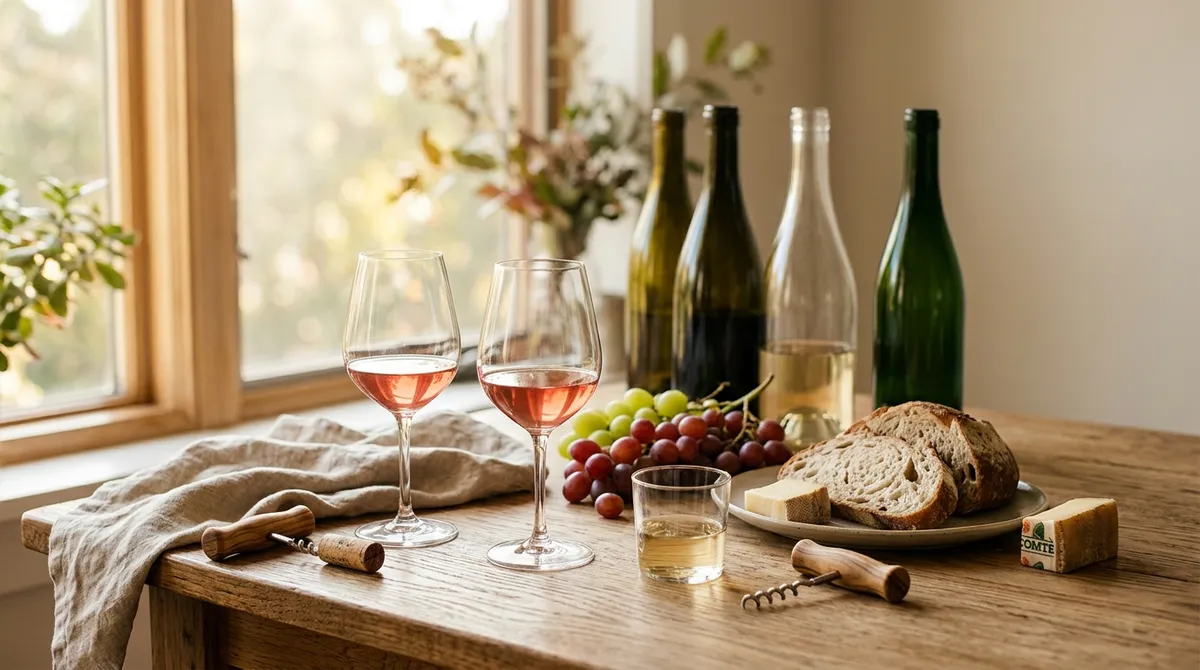
Wine culture is experiencing a notable resurgence as Gen Z and younger millennials embrace wine appreciation beyond traditional stereotypes. According to reports, there's a massive appetite for educational, non-pretentious wine content that builds confidence in casual drinkers.
This shift represents a departure from the gatekeeping that has historically surrounded wine culture, with new enthusiasts seeking knowledge without judgment or intimidation.
Demystifying the Wine Tasting Process
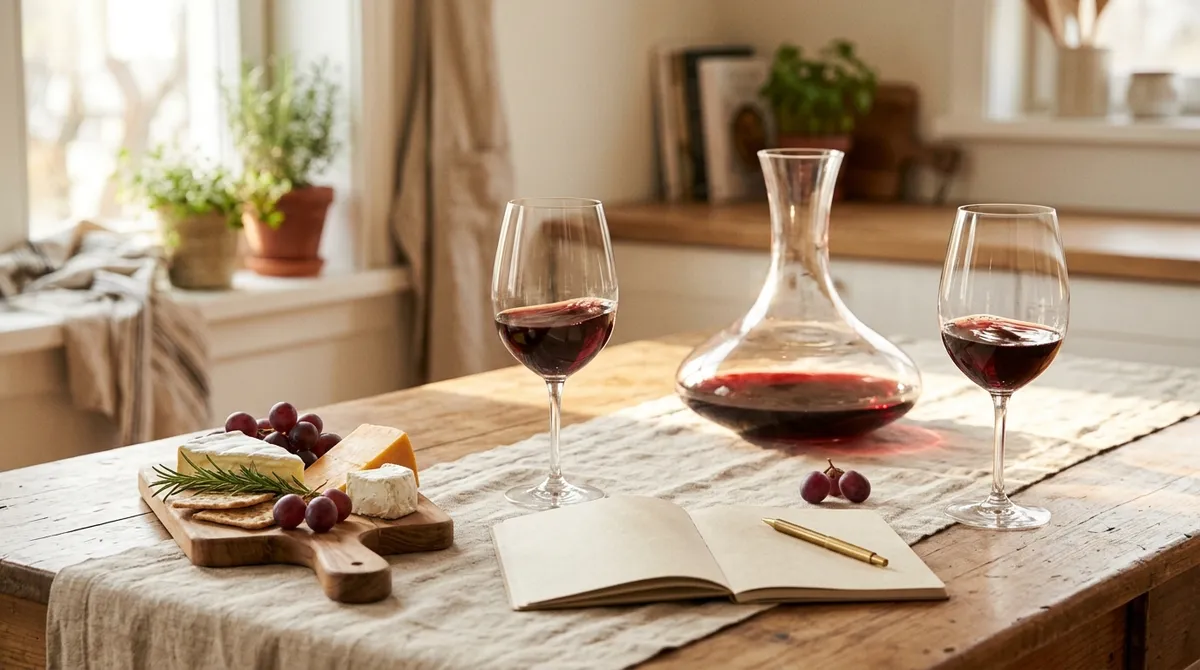
At its core, wine tasting doesn't need to be complicated. VinePair emphasizes a fundamental truth: there's no right way or wrong way to taste wine. The basic question remains simple — do you like what you're drinking or do you not like what you're drinking?
However, there is a formal tasting method that can reveal more about the wine in your glass, even before you start drinking. This structured approach, while potentially intimidating to newcomers, can be broken down into manageable components that leave tasters feeling comfortable and confident.
The formal tasting method encompasses everything from the proper swirling technique to understanding the science behind flavors. Reports indicate this systematic approach helps develop a more nuanced appreciation for wine characteristics.
Comprehensive Wine Knowledge for Beginners
A thorough wine education covers multiple essential areas that form the foundation of wine appreciation. Key components include:
Grape Varieties and Characteristics: Understanding different grape types and their distinctive flavor profiles provides the building blocks for wine knowledge.
Serving Techniques: Proper serving methods, including temperature considerations and glassware selection, can significantly impact the wine experience.
Wine History and Cultural Significance: The historical context of winemaking and its cultural importance adds depth to appreciation beyond just taste.
Food Pairing Principles: Learning how wine complements different foods enhances both the dining and drinking experience.
Storage Guidelines: Proper storage techniques help preserve wine quality and prevent premature aging or deterioration.
The Science Behind Wine Flavors
Flavor science plays a crucial role in understanding wine appreciation. According to reports, the science behind how we perceive and process wine flavors forms an important component of comprehensive wine education.
This scientific approach helps explain why certain combinations work, how different serving conditions affect taste perception, and what creates the complex flavor profiles found in various wines.
Breaking Down Wine Snobbery
The movement toward accessible wine education specifically aims to dismantle the pretentious barriers that have traditionally surrounded wine culture. Reports suggest that demystifying wine snobbery has become a key angle for modern wine education.
This approach positions wine knowledge as "no judgment, just knowledge," making it more approachable for newcomers who might otherwise feel intimidated by traditional wine culture.
Content Opportunities in Modern Wine Education
The current appetite for wine education creates significant opportunities for content creators across various platforms. Individual sections of comprehensive wine guides can be adapted into different formats:
- Short-form content focusing on "wine myths debunked"
- Visual guides featuring grape profiles and characteristics
- Interactive tasting experiences and tutorials
- Food pairing demonstrations and quick reference guides
These formats cater to different learning styles while maintaining the accessible, non-intimidating approach that modern wine enthusiasts seek.
Building Confidence in Wine Appreciation
The ultimate goal of modern wine education is building confidence in casual drinkers. By providing structured yet approachable information about tasting techniques, grape varieties, and wine culture, beginners can develop their palate and appreciation without feeling overwhelmed.
This educational approach acknowledges that wine appreciation is personal while providing the tools and knowledge necessary to explore wine more deeply. The emphasis remains on enjoyment and discovery rather than adherence to rigid rules or expectations.
As wine culture continues to evolve and attract new enthusiasts, comprehensive yet accessible education plays a crucial role in fostering a more inclusive and enjoyable wine community.