
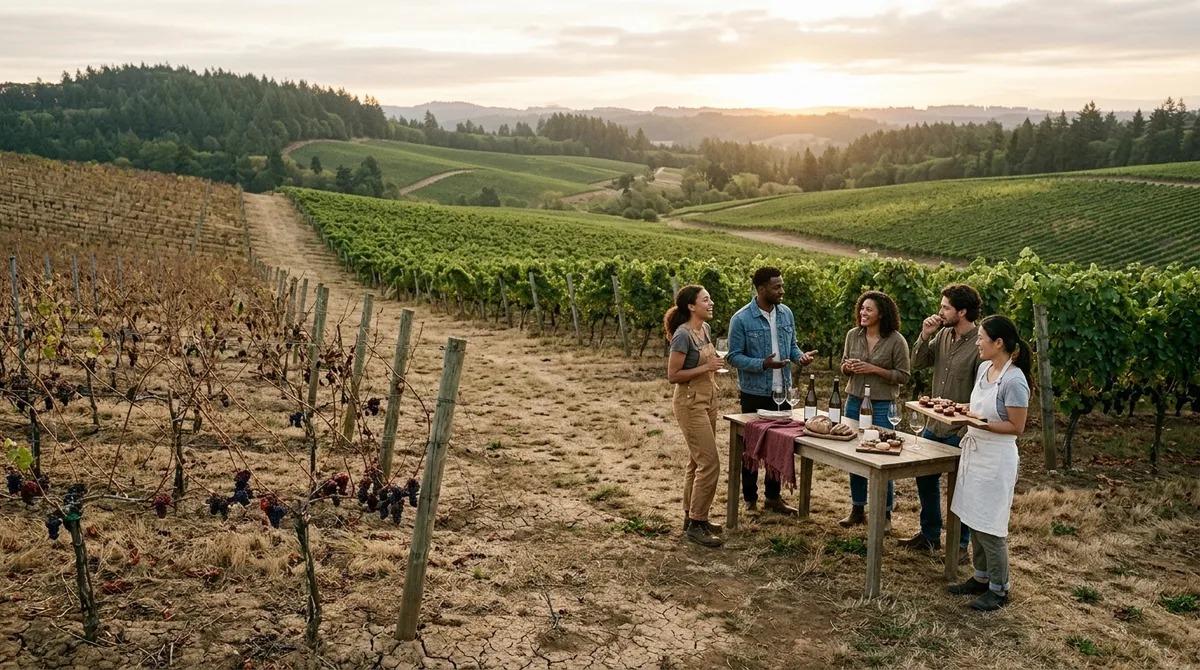
Global Wine Market Confronts Perfect Storm
The wine industry is grappling with an unprecedented convergence of challenges, according to recent reports. Production has reached historic lows while global consumption continues to shrink, creating what industry observers describe as a "perfect storm" for traditional wine producers.
According to reports, vineyard acreage is declining worldwide, contributing to reduced production capacity. This contraction comes as consumer drinking patterns shift away from wine, particularly in established markets that have long supported the industry.
Innovation Thrives Despite Industry Headwinds
While the broader market struggles, certain segments are demonstrating resilience and growth. Reports indicate that affordable Bordeaux wines are gaining traction, challenging the region's traditional association with high-end luxury products.
Emerging Spanish wine regions are also capitalizing on current market conditions, according to industry sources. These areas are positioning themselves as alternatives to more established but increasingly expensive wine territories.
Chef-Driven Wine Experiences Transform Market
France is witnessing a notable trend in chef-driven wine experiences that blur the lines between culinary arts and viticulture. This movement represents a shift toward experiential wine consumption rather than traditional retail purchasing patterns.
Reports suggest these collaborations are attracting younger consumers who prioritize authenticity and unique experiences over brand prestige. The farm-to-table wine movement is gaining momentum as chefs partner with local producers to create integrated dining and wine experiences.
Gap Widens Between Struggling and Thriving Producers
The current crisis is creating a significant divide within the industry. Mass-market producers face mounting pressure from declining consumption and increased competition, while smaller, innovative producers appear to be finding success through differentiation strategies.
According to reports, forward-thinking creators are experimenting with accessibility, sustainability, and culinary fusion approaches. These producers are often younger and more willing to challenge traditional wine industry conventions.
Sustainability and Accessibility Drive New Opportunities
The industry transformation includes a growing focus on sustainable viticulture practices. Reports indicate that environmental considerations are becoming increasingly important to both producers and consumers, particularly among younger demographics.
Accessibility is another key trend reshaping the market. Rather than maintaining traditional gatekeeping approaches, many producers are embracing wine democratization through education, transparent pricing, and inclusive marketing strategies.
Younger Generations Reshape Wine Culture
According to industry observations, younger consumers are driving significant changes in wine culture. These demographics tend to prioritize authenticity over prestige and are more interested in understanding wine production processes and regional characteristics.
This shift away from traditional wine hierarchy is creating opportunities for underrated wine regions and lesser-known producers who can tell compelling stories about their products and practices.
Industry at Pivotal Moment
Reports suggest the wine industry is at a critical juncture where traditional business models are being challenged while new opportunities emerge. The contrast between struggling established producers and thriving innovative creators highlights the importance of adaptation in the current market.
The success of affordable luxury wines, emerging regions, and experiential wine offerings indicates that consumer preferences are evolving toward value, authenticity, and engagement rather than traditional markers of prestige.
As the industry navigates these challenges, the divide between forward-thinking producers and those clinging to traditional approaches appears likely to determine which segments of the wine market will thrive in the coming years. The current transformation presents both significant risks for established players and substantial opportunities for innovative producers willing to embrace change.