Urban Animals Display Bold New Behaviors
A comprehensive global study has revealed that animals living in urban environments are becoming significantly bolder, more aggressive, and more exploratory than their rural counterparts. According to reports, this meta-analysis examined 80 studies across 28 countries and 133 species, providing unprecedented insight into how city life is reshaping animal behavior.
Implications for Wine Country Visits
For wine enthusiasts planning vineyard visits and wine country tours, these findings carry particular relevance. Many renowned wine regions sit at the intersection of urban development and natural landscapes, creating environments where wildlife encounters are increasingly common. According to the research, birds showed the strongest evidence of behavioral changes, which could affect outdoor wine tastings and vineyard walks.
The study found that urban animals are not only bolder around humans but also more active and exploratory in their behavior patterns. This behavioral shift could influence the traditional tranquil atmosphere that wine lovers seek when visiting tasting rooms and participating in harvest activities.
Rising Human-Wildlife Interactions
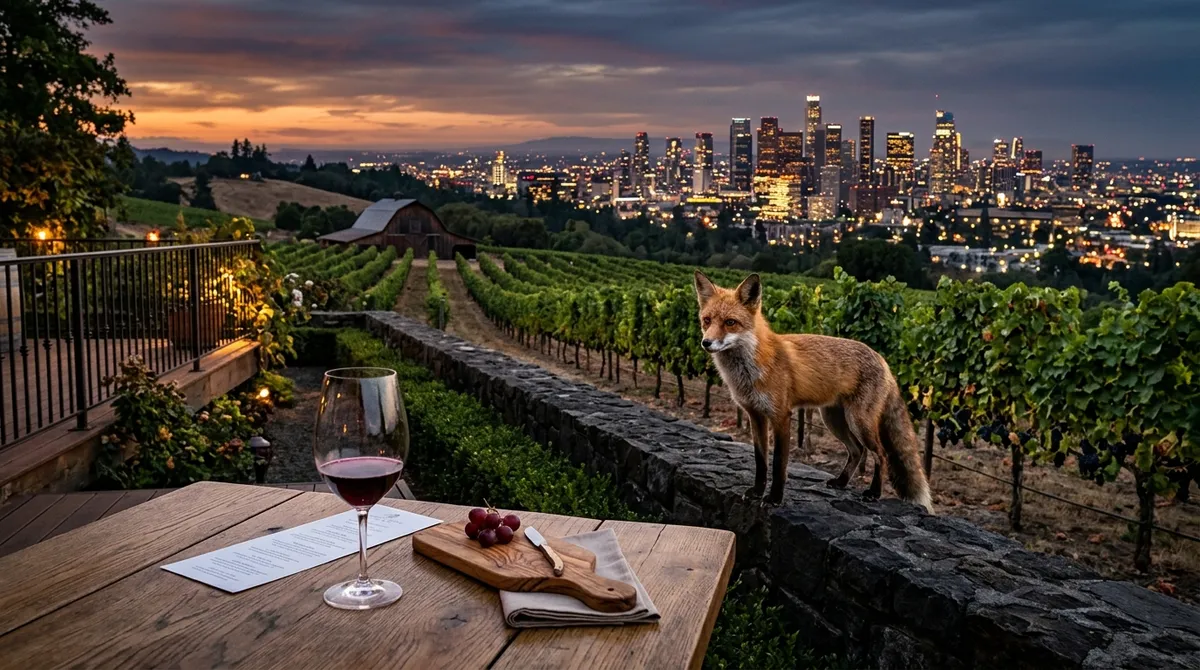
As cities expand into traditional wine-growing regions, the research suggests increased chances of human-wildlife conflict. Wine country visitors may encounter more assertive wildlife behavior during their experiences, from bold birds interrupting outdoor tastings to more active nocturnal animals around vineyard accommodations.
According to reports, the behavioral changes observed across 133 species indicate that urbanization is reshaping animal behavior in predictable ways. This transformation affects not only the immediate wine tasting experience but also the broader ecosystem that contributes to terroir – the environmental factors that give wines their distinctive characteristics.
Research Gaps and Wine Region Considerations
The study highlights a significant research gap, with most data coming from bird species while insects, amphibians, and reptiles remain understudied. This limitation is particularly relevant for wine regions, where these understudied species play crucial roles in vineyard ecosystems and pest management.
The lack of comprehensive data on insects is especially concerning for wine producers, as many beneficial insects contribute to vineyard health and grape quality. The behavioral changes documented in urban birds may provide clues about what to expect from other species as development pressures continue in wine regions.
Planning Wine Country Experiences
Wine enthusiasts should consider these behavioral changes when planning visits to wine regions experiencing urban growth. The research suggests that encounters with bolder, more active wildlife are becoming more likely, particularly during outdoor activities like vineyard picnics, harvest participation, and sunset tastings.
While most wildlife encounters remain harmless, the increased boldness documented in the study means visitors should be more aware of their surroundings and follow vineyard guidelines for wildlife interactions. Many wine regions are already adapting their visitor experiences to account for these changing animal behaviors.
Future of Wine Tourism
The findings published in the Journal of Animal Ecology suggest that wine regions will need to balance development pressures with wildlife management strategies. As animals become more exploratory and active in response to urbanization, wine tourism operators may need to adjust their offerings and safety protocols.
According to the research, the behavioral changes appear consistent across diverse geographic regions and species, indicating that wine countries worldwide may face similar challenges. This global pattern suggests that wine tourism destinations should prepare for more frequent and potentially more assertive wildlife encounters.
The study's implications extend beyond immediate safety concerns to questions about how changing wildlife behavior might affect the authentic rural experience that many wine tourists seek. As urban influence continues to expand into traditional wine regions, understanding these behavioral shifts becomes crucial for maintaining the quality and character of wine country experiences.