Luxury hotels have always offered good food. What's changed is the order of operations: more travelers are now choosing the hotel because of the restaurant, not discovering the restaurant after they check in. Regent Hotels & Resorts is leaning hard into that shift, and the results are worth paying attention to — especially if you care about the food and wine on the table, not just the thread count on the sheets.
By the end of this piece, you'll understand what Regent is actually building across its global portfolio, why chef-driven hotel dining has become a genuine travel draw, and what any wine and food lover should know before booking.
Michael Mina's Orla and the California Homecoming
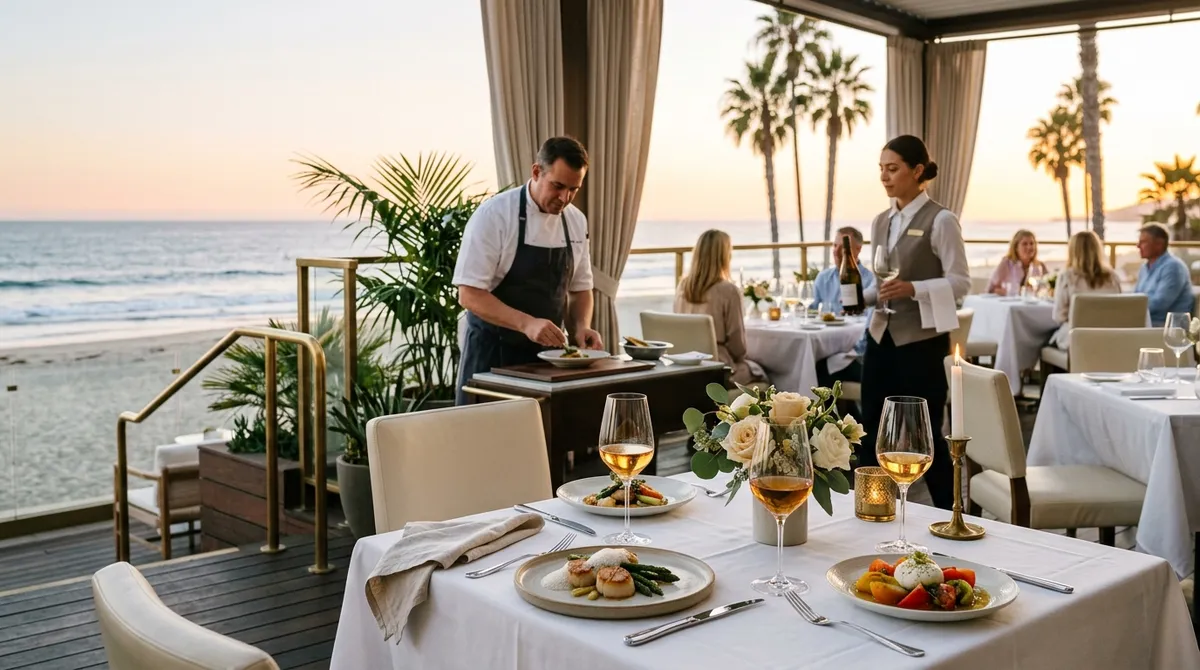
The anchor example is Orla, chef Michael Mina's restaurant at Regent Santa Monica Beach. For anyone who follows Mina's career, this property represents a meaningful return to California — and the restaurant is positioned as a flagship expression of what hotel dining can be when a celebrated chef is genuinely involved rather than simply licensing a name.
Orla isn't a footnote to the hotel experience. Per Afar's reporting, it's central to how Regent Santa Monica Beach markets itself as a destination. That's a meaningful distinction. A restaurant that a hotel happens to have is decorated differently, staffed differently, and sourced differently than one that the hotel leads with.
For wine lovers specifically, chef-driven restaurants at this level tend to bring serious beverage programs with them. California's proximity to Napa, Sonoma, and the Central Coast means a menu built around local sourcing almost always implies a wine list built the same way — expect producers you'd make a dedicated trip to visit, not just familiar labels marked up for convenience.
The Michelin Master Series and Why Residencies Matter
Regent Bali Canggu runs what the brief describes as a Michelin Master Series — rotating culinary pop-ups anchored by Michelin-starred chefs. This model is worth understanding because it changes how you plan a trip.
A permanent restaurant has a consistent identity you can research in advance. A residency series means the experience is time-sensitive: the chef who's in residence in October may be entirely different from the one there in March. That's both the draw and the complication. If a specific chef's food — and by extension, their wine philosophy — is what you're after, you need to book around the residency calendar, not just the hotel's availability.
What Regent is doing in Bali reflects a broader hospitality trend: using culinary pop-ups to drive bookings during what would otherwise be shoulder season, and to create genuine scarcity around an experience. A Michelin-starred dinner at a hotel in Bali is not the same as flying to that chef's home restaurant — there's a context and setting that's part of the experience — but it does require the same advance planning.
The Regent Taste Studio: When Dinner Becomes a Show
The brief also points to something called the Regent Taste Studio, described as an immersive experience that blends cuisine with art and performance. This is the most interesting format to unpack, because it sits at the intersection of dining and entertainment in a way that divides opinion.
Multisensory dining — where music, visual art, or theatrical staging is layered onto the meal — has been growing for years, and the reactions tend to be strong in both directions. Done well, the context amplifies the food: a wine tastes different when you're watching the vineyard landscape that produced it projected on the wall in front of you. Done badly, the performance distracts from the cooking and you leave remembering the spectacle rather than the flavors.
What makes the Taste Studio concept worth watching is that it's being developed within a hotel setting, which gives it resources and flexibility that standalone restaurants rarely have. It also suggests Regent is thinking about dining as a form of cultural programming, not just food service — which tends to mean more thoughtful wine and beverage integration, because the beverage choices become part of the narrative.
Farm-to-Table as Storytelling, Not Just Sourcing
Across Regent's portfolio, the brief highlights farm-to-table sourcing as a connecting thread — including what's described as a seed-to-plate narrative and sourcing trips to farmers markets. This language matters because it signals the difference between a hotel that buys local produce and one that builds its menu identity around the provenance of every ingredient.
For wine, that same logic extends to by-the-glass lists built around regional producers, and staff who can actually explain why a particular wine is on the list — not just read you the tasting notes. If a kitchen is tracking where every tomato came from, the sommelier program tends to reflect the same level of care.
When you're evaluating whether a hotel restaurant is worth your time and money, ask one simple question before you book: can someone on the floor tell you three things about how the wine list was built? If the answer is yes, the kitchen philosophy has probably made it to the cellar.
What This Means If You're Planning a Trip Around Food and Wine
Regent's approach — Michelin residencies, chef partnerships, immersive dining formats, farm-to-table sourcing — represents a genuine shift in how luxury hospitality competes. The implication for travelers who take food and wine seriously is practical:
Check the dining calendar before you book the room. Residencies and series events have specific windows. The experience that made you want to visit may not be running during the dates you're considering.
Ask about the wine program directly. A hotel with the ambition Regent is demonstrating across its portfolio should be able to tell you who built the list, how often it rotates, and whether there's a sommelier on staff during dinner service.
Treat the restaurant as a separate research task. Read reviews of Orla independently from reviews of Regent Santa Monica Beach. A great room and a great restaurant are related but distinct achievements.
The broader point is this: when a hotel makes the restaurant central to its identity rather than incidental to it, the quality of the food and wine experience tends to follow. Regent is betting its brand on that proposition. For anyone who plans travel around what's on the table, that's a bet worth tracking.