The Role of Barrels in Winemaking
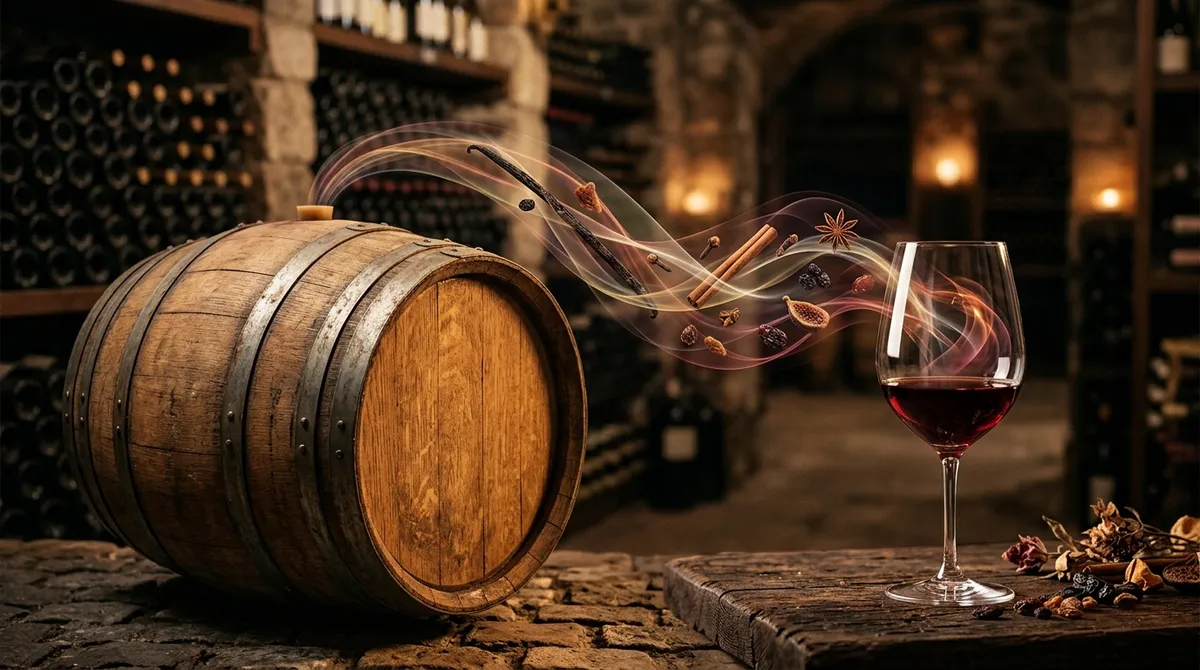
According to reports, wine barrels play a crucial role in shaping the final flavor and aroma profile of wines. The aging process in barrels has been recognized as one of the most significant factors that influence how a wine tastes and smells.
How Barrels Affect Wine Characteristics
The impact of wine barrels on flavor and aroma is a complex process that occurs during the aging period. Reports indicate that the type of wood, the barrel's age, and the length of aging all contribute to the final characteristics of the wine.
Different barrel materials are said to impart distinct qualities to wines. The wood interacts with the wine over time, creating chemical changes that affect both taste and aroma compounds.
Factors That Influence Barrel Impact
Several elements determine how significantly a barrel will affect a wine's profile. The size of the barrel, the origin of the wood, and previous use all play roles in this process.
The toasting level of the barrel interior is also reported to be an important factor. Different levels of char or toast can contribute varying degrees of flavor intensity and specific aromatic compounds to the wine.
Understanding the Aging Process
During barrel aging, wines undergo gradual changes that develop their complexity. The porous nature of wood allows for controlled oxygen exposure, which is said to contribute to the wine's evolution.
This process involves the extraction of compounds from the wood itself, as well as chemical reactions within the wine that are facilitated by the barrel environment.
Different Wood Types and Their Effects
Various types of wood are used in barrel making, each contributing unique characteristics to the wine. The choice of wood type is reported to be one of the primary decisions that winemakers must consider when planning their aging process.
The geographic origin of the wood can also influence the final product, as trees from different regions may have varying grain structures and compound concentrations.
Time and Temperature Considerations
The duration of barrel aging is another crucial factor in determining the final impact on flavor and aroma. Longer aging periods generally result in more pronounced barrel influence, though the relationship is not always linear.
Temperature conditions during aging also play a role in how effectively the wine extracts flavors and aromas from the barrel. Consistent temperature control is reported to be important for predictable results.
Balancing Barrel Influence
Winemakers must carefully balance the barrel's contribution with the wine's inherent characteristics. Too much barrel influence can overpower the fruit flavors, while too little may result in a wine that lacks complexity.
This balance requires understanding both the wine being aged and the specific characteristics of the barrels being used. The goal is to enhance the wine's natural qualities while adding complementary flavors and aromas.
Modern Barrel Management
Today's winemakers have access to detailed information about barrel characteristics and aging effects. This knowledge allows for more precise control over the final product and helps ensure consistent quality across different vintages.
The understanding of how barrels impact wine continues to evolve, with ongoing research providing new insights into this traditional winemaking practice.