If you've never heard of jeera soda, you're about to meet the fizzy drink that is giving Coca-Cola and Pepsi a hard time in India. By the end of this piece you'll know what it tastes like, why it's catching on, and how to bring the idea to your own table, whether you're pairing it with food or looking for something interesting to pour next to wine.
The news: cumin soda is taking market share
Per a BBC report, cumin-flavoured fizzy drinks such as Lahori Zeera, Campa Jeera and Jeeru are capturing a bigger slice of India's soft drinks market. The report describes them as "ethnic beverages" challenging the cola giants in the mass-market segment, as demand for homegrown flavours rises.
Three forces are credited with the shift: nostalgic Indian flavours, low pricing, and wider distribution. The BBC also notes that online demand for cumin sodas has surged, and that India's non-alcoholic beverages market is expanding fast.
What jeera soda actually is
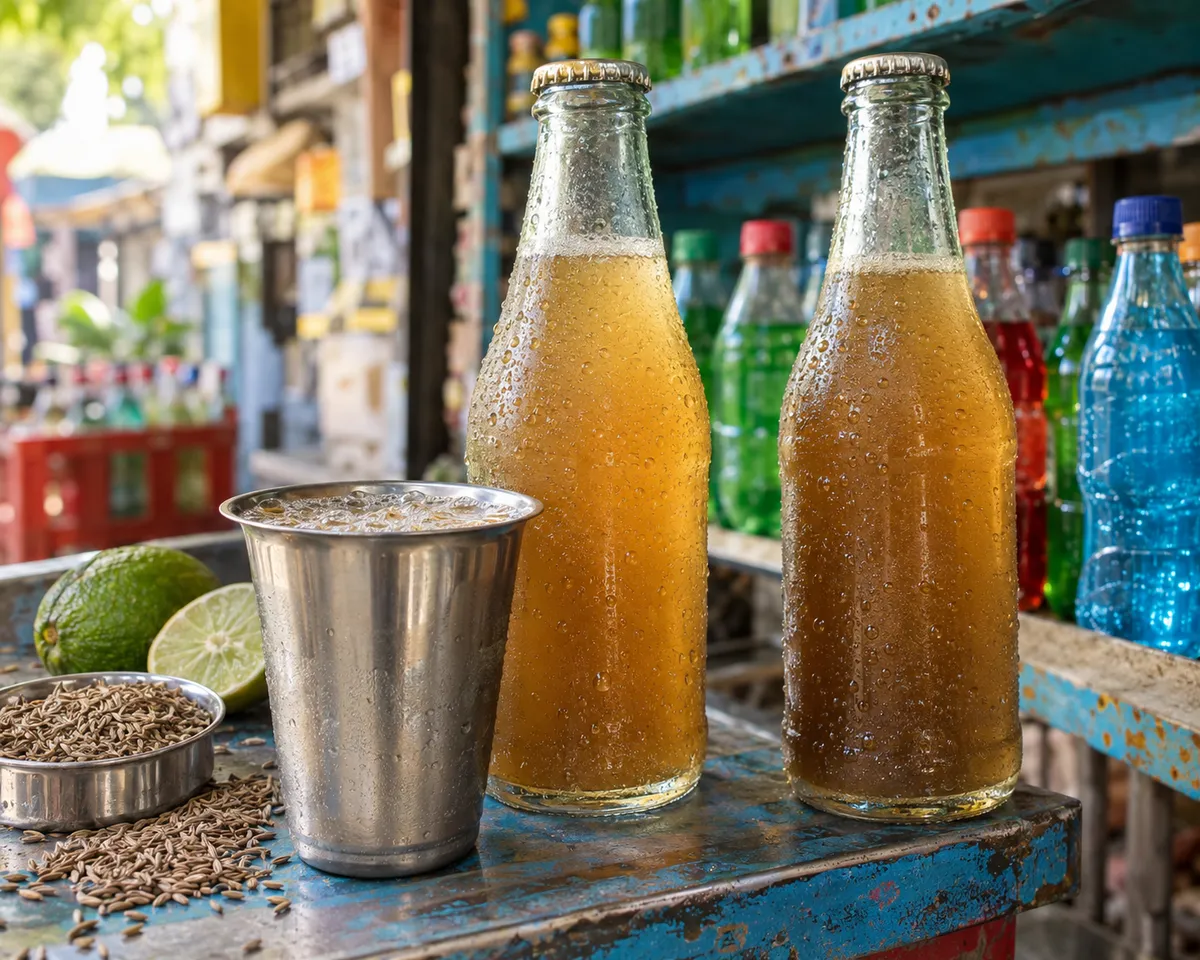
Jeera is the Hindi word for cumin. Jeera soda is a carbonated drink built around that spice, the same one that sits in your pantry next to the coriander. Think savory, earthy, a little tangy, and fizzy. It's closer to a spiced digestive drink than to a sweet cola, which is exactly why it feels so different on the palate.
The appeal, as the BBC frames it, is familiarity. These are flavours many Indian consumers grew up with, now sold in a bottle with modern branding.
Why it's winning against the big colas
Flavour that feels local
The report points to a broader consumer move toward culturally familiar flavours, seen as more authentic or even healthier. A cola tastes the same in every country. A cumin soda tastes like somewhere specific.
Low prices
Pricing is part of the story. One of the angles the BBC coverage raises is a ₹10 beverage war reshaping soft drinks, meaning small, cheap bottles that make trying a new brand almost risk-free.
Reach
Wider distribution matters as much as taste. A drink people can find at every corner shop can compete with giants. A drink they have to hunt for can't.
The brands to know
- Lahori Zeera: One of the names at the center of the trend. Coverage frames its journey as a kitchen experiment that grew into a brand reportedly worth $120m.
- Campa Jeera: A cumin offering from another name in the segment, named in the BBC report alongside Lahori Zeera.
- Jeeru: The third drink the report highlights as part of the wave.
I'm limiting this to what the report supports. For sales figures, ownership details and market share percentages, read the original BBC piece.
How to try the flavour at home
You don't need a specific bottle to understand the idea. A rough homemade version gets you most of the way there.
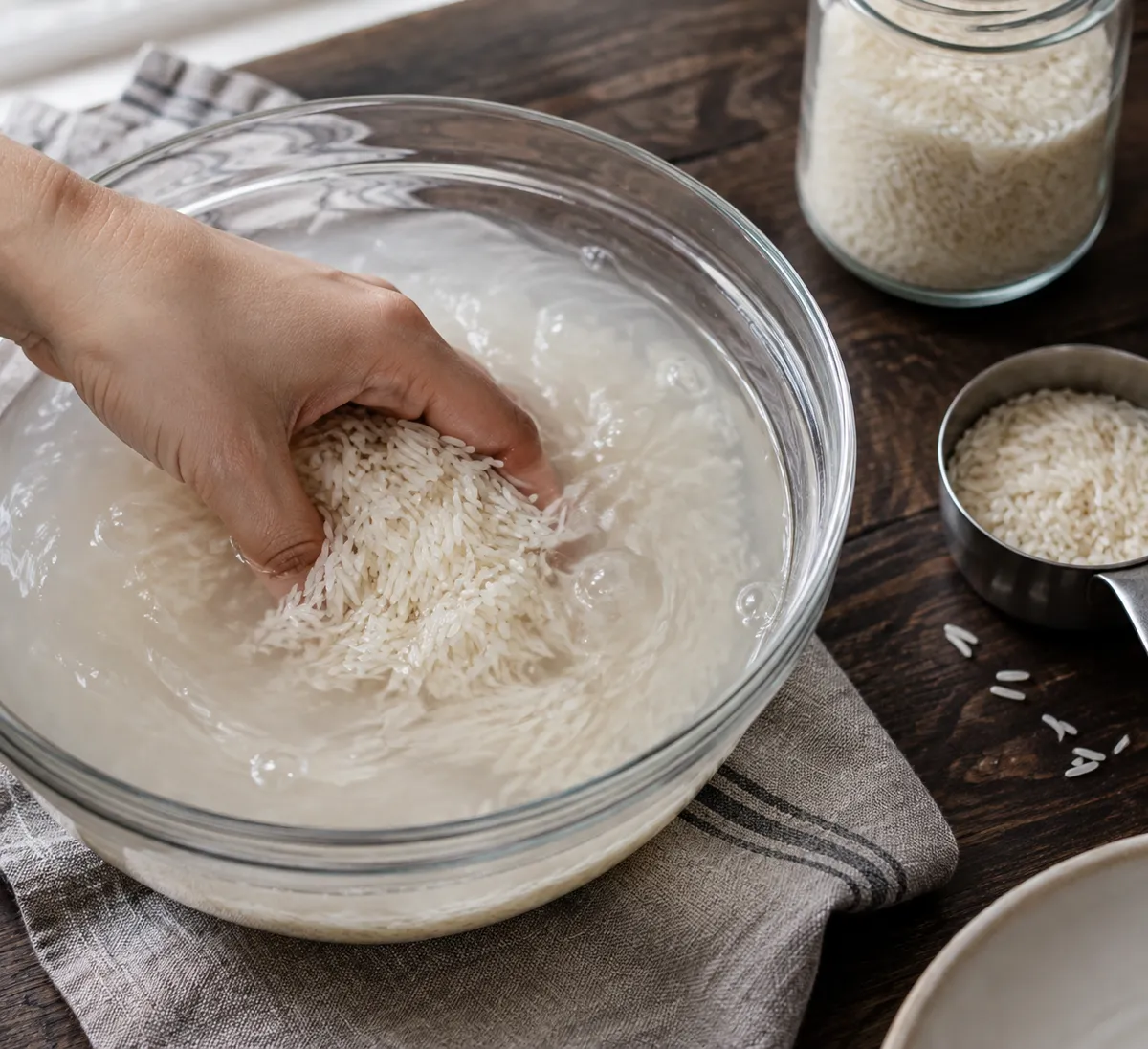
- Toast the seeds. Dry-toast a teaspoon of whole cumin seeds in a pan over medium heat for about a minute, until fragrant.
- Grind them. Crush to a coarse powder.
- Build the glass. Stir the powder with a pinch of salt, a squeeze of lime and a little sugar or honey, then top with cold sparkling water and ice.
- Taste and adjust. More lime for brightness, more salt for savoriness.
This is my own quick approach, not a recipe from the brands, so treat the ratios as a starting point.
Where it fits for wine lovers
This is my take, not a claim from the report. Savory, spiced, acidic and fizzy drinks are useful at a table with wine. A cumin soda can work as a palate cleanser between richer dishes, or as a non-alcoholic option for guests who aren't drinking. Spiced food is a classic challenge for wine, and a drink with its own spice and acidity can sit comfortably beside it.
Can desi sodas go global?
The BBC coverage raises the question of whether these drinks can travel beyond India. There's no answer yet in the facts we have. The pattern is worth watching anyway: when a local flavour, a low price and good distribution line up, even entrenched global brands have to pay attention.
Your next step
Find a bottle of jeera soda at a South Asian grocery, or toast some cumin and mix the home version tonight. One sip will tell you why cola is feeling the pressure.