
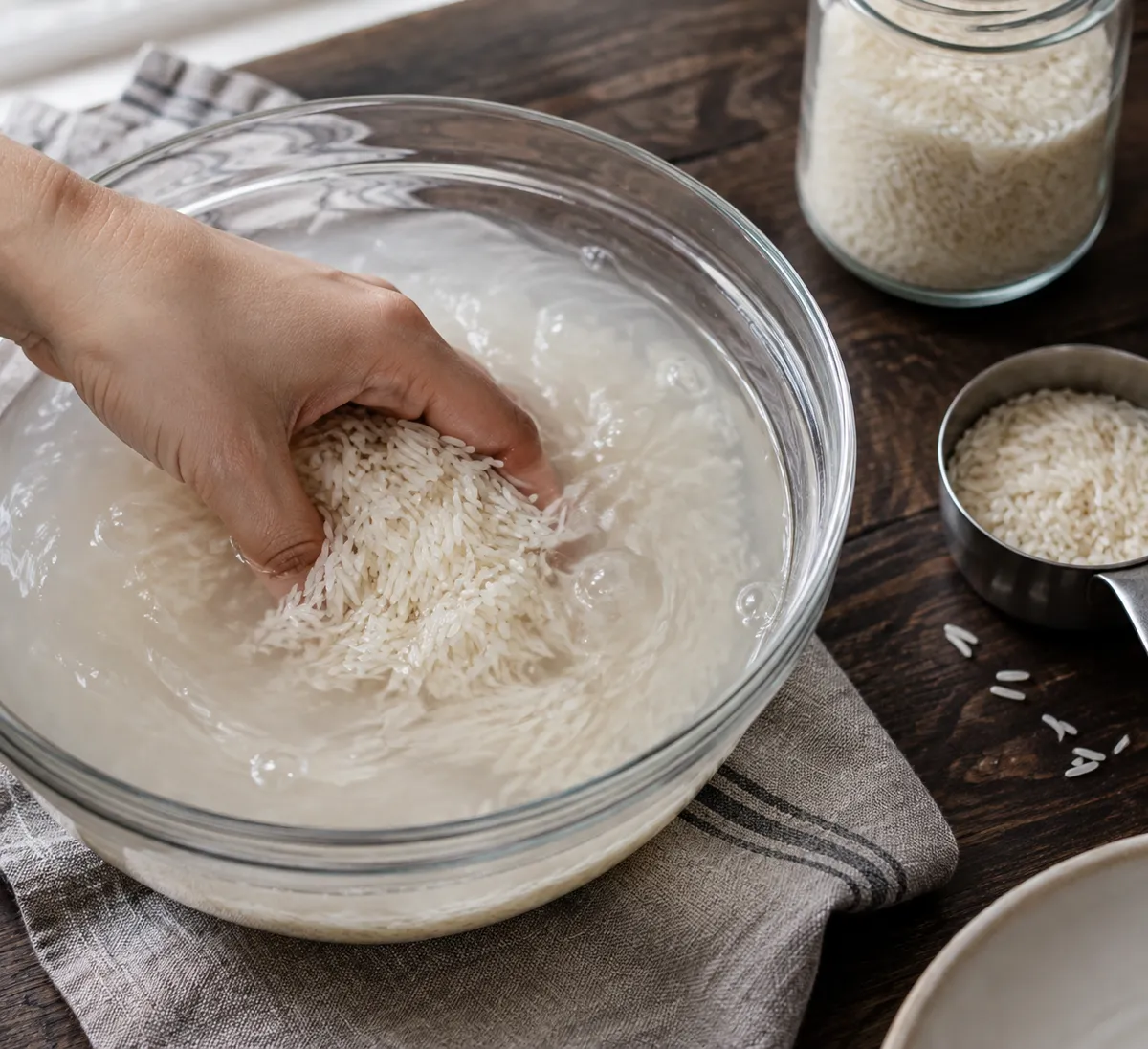
If your rice keeps coming out clumpy or gummy, the fix probably starts before the pot ever hits the stove. Chefs speaking to Fox News say the most common mistake is skipping the rinse, especially with basmati and jasmine rice. By the end of this article, you'll know which rice needs which treatment, and what to do after the cooking is done.
This is a food article on a wine site for a reason: rice is the quiet partner at the table for so many dishes you'll pour wine with. Get it right, and everything beside it looks better.
Rinse basmati and jasmine before cooking
Per Fox News, chefs point to rinsing as the key to fluffy, distinct grains that don't clump together in the pot. It's the step many home cooks skip, and it's the one that makes the most visible difference with these two varieties.
A simple way to do it: put the rice in a bowl or fine strainer, run cold water over it, swish it with your hand, and drain. Repeat until the water looks clearer. (That routine is a practical way to apply the chefs' advice, not a quote from them.)
Don't use one method for every rice
Another mistake the chefs flag is treating all rice the same. Rinsing, soaking, water ratios, resting time, and fluffing all depend on the variety you're cooking and the texture you want.
That means:
- Basmati and jasmine: rinse first, since the goal is separate, fluffy grains.
- Other varieties: check what texture you're after before copying a method. Rice meant to be creamy or sticky isn't asking for the same treatment as rice meant to be light.
The takeaway is to match the method to the grain, not the other way around. If you've been following one set of instructions for every bag in the pantry, that may be your problem.
Soak when the variety and texture call for it
Soaking is on the chefs' list of steps that depend on the rice type. Fox News doesn't present it as mandatory for everything, so treat it as a tool: consider it for varieties and results where you want more tender, even grains, and skip it when you want a different texture.
Measure your water on purpose
Water ratio is another variable that changes by rice variety. The chefs' point is that there's no universal number. Check the package for your specific rice, cook it once, and adjust.
A useful habit: write the ratio that worked on the bag or in your phone. Next time, you're not guessing.
Stop stirring
Stirring during cooking is one of the habits that can ruin texture, according to the chefs cited by Fox News. Once the rice is simmering, leave it alone. Constant stirring is a common reason rice turns out gummy rather than distinct.
Set the lid, set a timer, and trust the pot.
Let it rest
Resting is part of the process, not an optional extra. The chefs list it among the steps that vary by variety, so follow the guidance for your rice, but don't lift the lid and serve the instant the heat goes off. Giving the pot a few minutes lets the grains settle before you touch them.
Fluff gently
The last mistake is fluffing too aggressively. Roughly attacking the pot can damage the grains and undo the work you did earlier. Use a fork or a light hand and lift the rice rather than mashing it.
A quick fix list for common problems
- Gummy or clumpy rice: next time, rinse first, skip the stirring, and fluff gently.
- Undercooked rice: check the water ratio and variety-specific guidance on the package, and make sure you let it rest rather than judging it mid-cook.
- Rice that varies batch to batch: you're probably switching varieties without switching methods.
Try a side-by-side test
The easiest way to believe the advice is to see it. Cook two small pots of basmati or jasmine, one rinsed and one not, using the same ratio and timing. Compare the grains. If the chefs are right, the rinsed pot should look more separate and fluffy.
The one move to make tonight
Before your next pot of basmati or jasmine, rinse the rice until the water runs clearer, then leave it alone while it cooks. That single change is the one chefs say most home cooks skip.