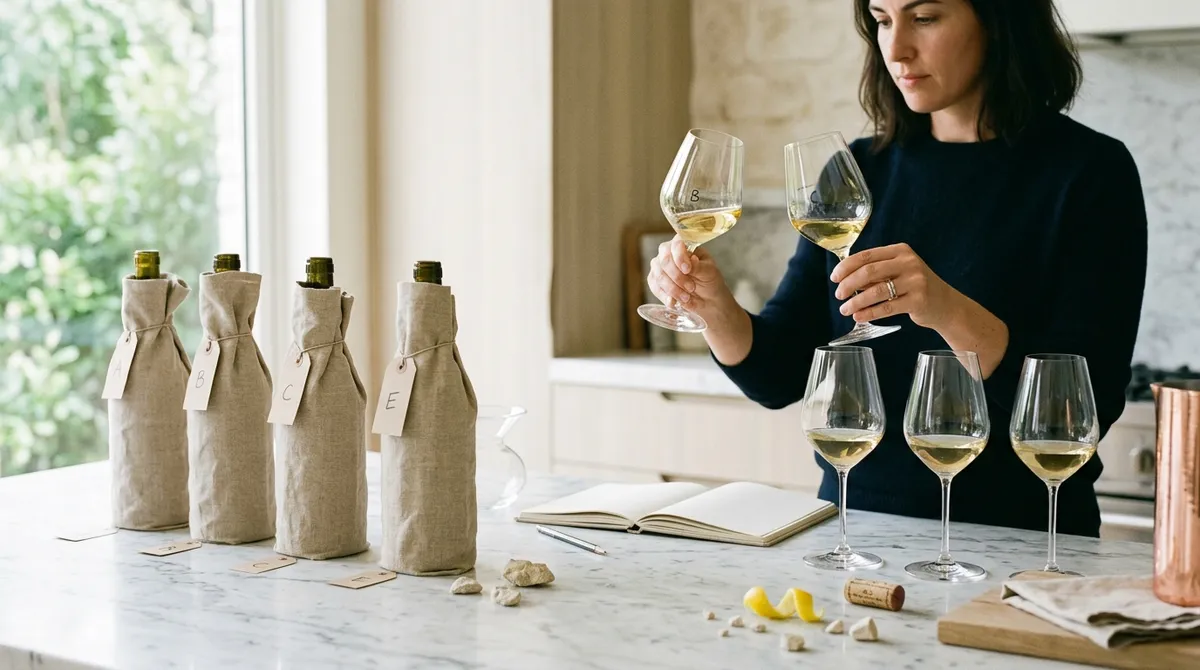
Premium Chablis Takes Top Honors in Blind Tasting
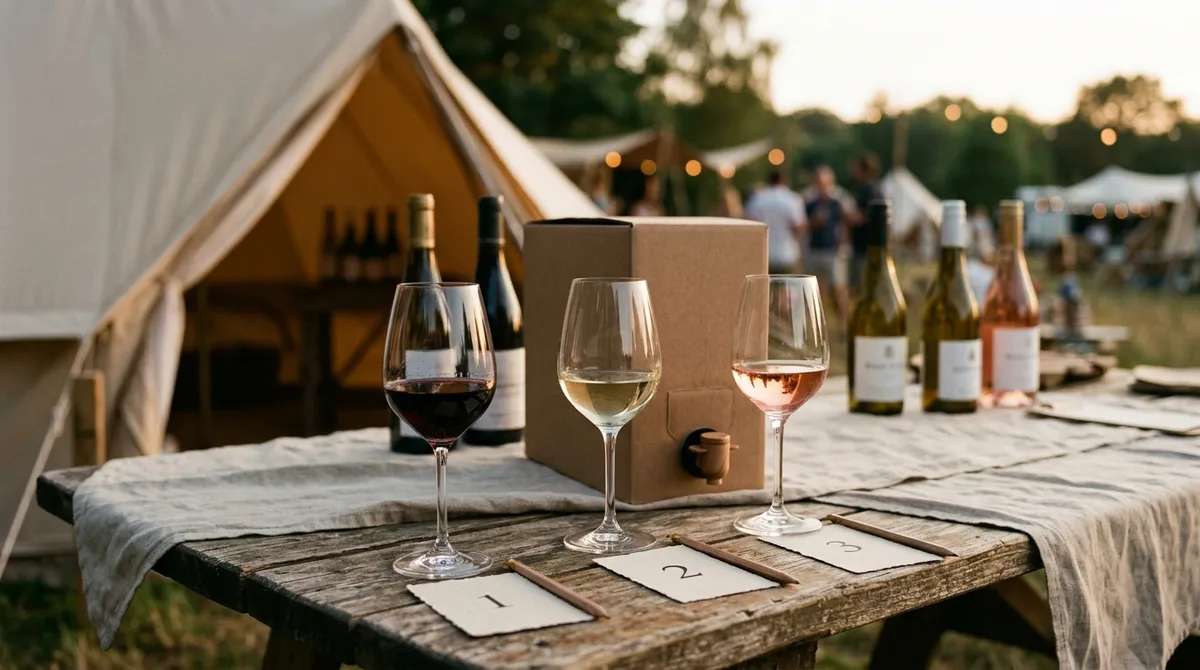
A recent wine expert's blind tasting has revealed surprising insights about Chablis quality across price points, with a £25 Tesco Chablis Premier Cru emerging as the clear winner among both cheaper and more expensive options.
The tasting was designed to answer a question many wine lovers face: whether expensive Chablis bottles truly deliver better quality than their supermarket counterparts, particularly as cost-of-living pressures make budget-conscious wine shopping increasingly important.
What Makes Chablis Special
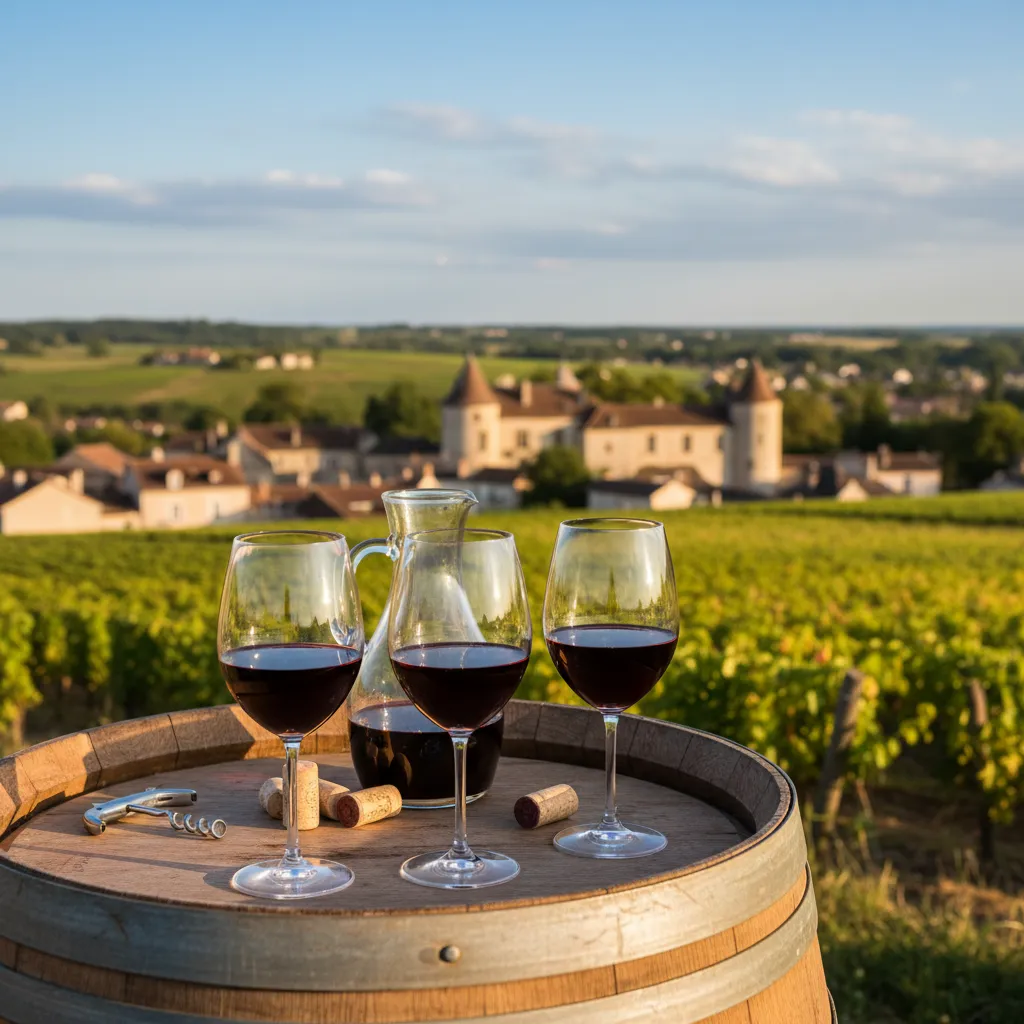
According to the expert, Chablis stands apart due to its unique terroir. This Burgundy region produces Chardonnay wines from vines that root an impressive 15 feet deep in fossil-rich soil, with no irrigation required. This distinctive growing environment creates the region's characteristic flavor profile of marzipan and lemon notes.
The deep-rooted vines and mineral-rich soil contribute to what wine enthusiasts recognize as proper terroir expression – wines that should exhibit zippy citrus, saline notes, and buttery richness.
Surprising Results Challenge Price Assumptions
The blind tasting results challenged conventional wisdom about wine pricing. While the £25 Tesco Chablis Premier Cru took the top spot through its superior balance of richness, acidity, and complexity, a £13 Lon Deloney Chablis also performed exceptionally well, proving that excellent supermarket Chablis can be found at mid-range prices.
These findings suggest that wine quality doesn't always correlate directly with price, offering hope for budget-conscious consumers seeking quality Chablis without premium pricing.
Key Shopping Tips for Chablis Buyers
The expert's tasting revealed important guidance for consumers shopping for Chablis under £15. According to the findings, grower reputation and vineyard age – particularly old vines – can be more important indicators of quality than official classifications like Premier Cru versus village Chablis.
This insight is particularly valuable for shoppers who may be intimidated by wine classifications but want to identify quality bottles on supermarket shelves.
Red Flags to Avoid
The tasting also identified characteristics that indicate poor-quality Chablis. Wine shoppers should avoid bottles that taste flat, overly acidic, or one-dimensional, as these fail to express the distinctive terroir that makes Chablis special.
Instead, quality Chablis should demonstrate the region's signature combination of zippy citrus notes, saline minerality, and buttery richness that comes from the unique growing conditions in this Burgundy region.
Implications for Wine Shopping
The results offer practical guidance for wine enthusiasts navigating supermarket wine aisles. Rather than assuming higher prices guarantee better quality, consumers can focus on understanding what makes good Chablis and identifying reputable growers, even at lower price points.
This approach empowers shoppers to make informed decisions without relying solely on price as a quality indicator, potentially discovering excellent value wines that might otherwise be overlooked.
The Broader Context
The blind tasting format used in this evaluation represents a growing trend toward demystifying wine purchasing decisions. By removing brand bias and focusing purely on taste, such evaluations help consumers understand when premium pricing delivers genuine quality improvements versus when budget options can compete effectively.
For Chablis specifically, the results suggest that while the £25 winner demonstrated superior complexity and balance, quality options exist across different price ranges for consumers willing to look beyond price tags and focus on the characteristics that define excellent examples of this distinctive Burgundy wine.