Boxed Wine Gets Professional Validation
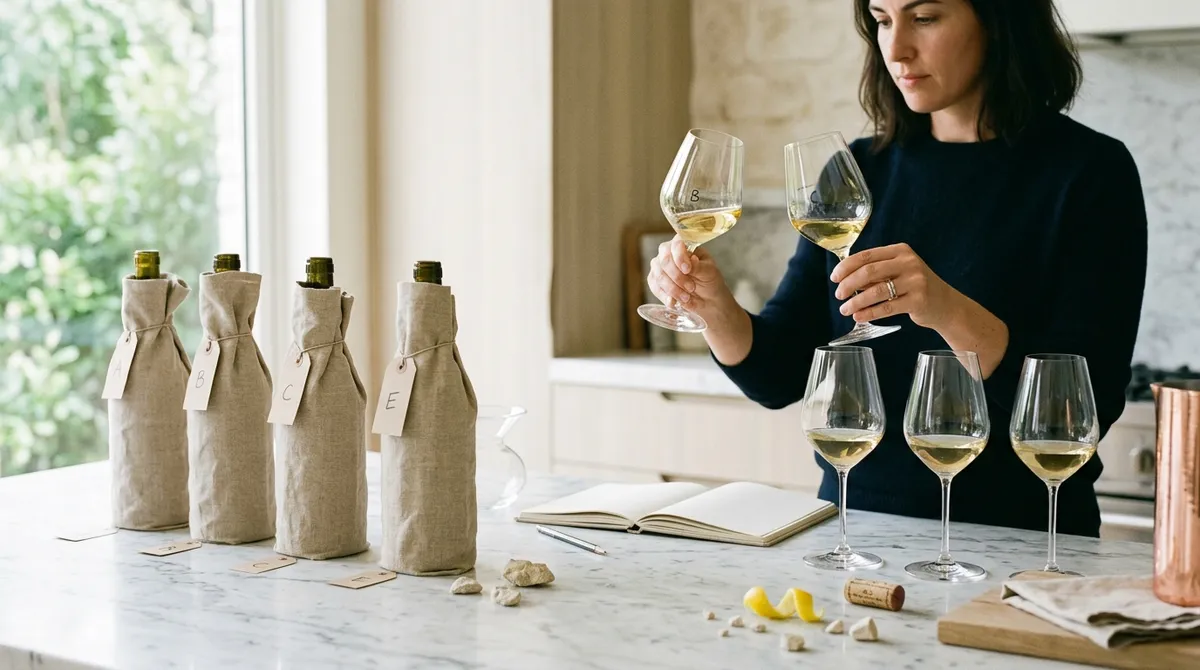
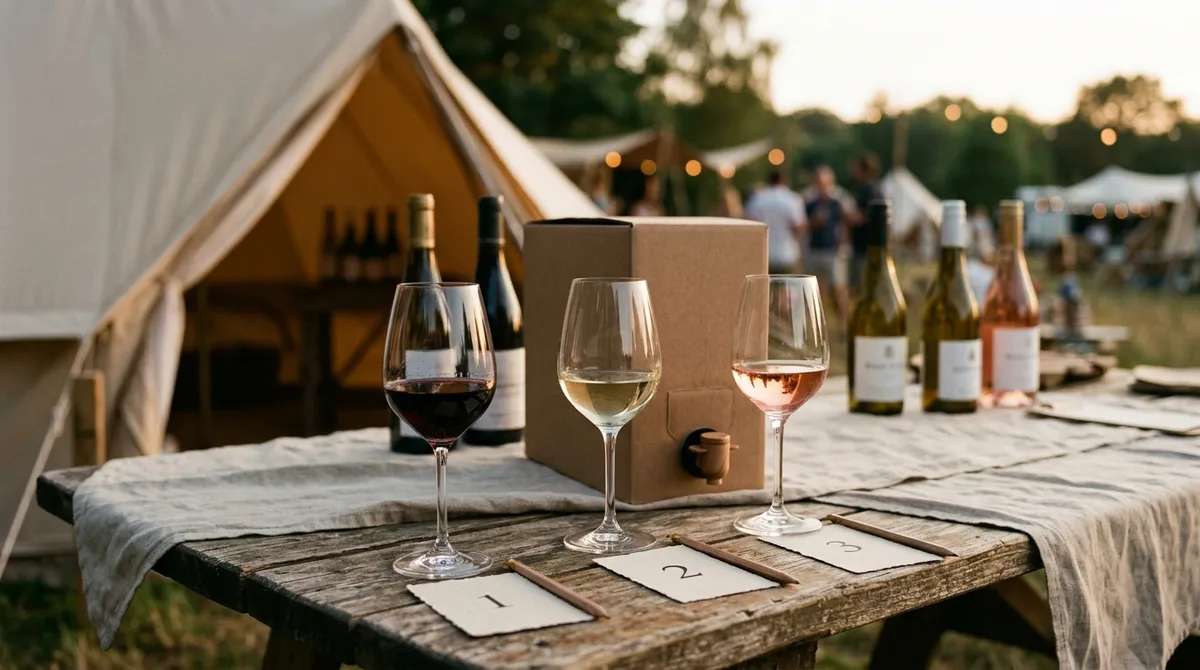
A comprehensive wine expert evaluation conducted at a festival campsite has revealed that boxed wine can deliver genuine quality comparable to traditional bottled varieties. The professional tasting covered red, white, and rosé options, challenging long-held assumptions about bag-in-box wine formats.
According to reports, the expert rated several boxed wines highly, with a Chilean Sauvignon Blanc and an Italian Primitivo both earning "class" tier ratings—the highest designation in the evaluation system.
The Tasting Results
The evaluation covered nine wines across different formats and regions. Among the standout performers, the Chilean Sauvignon Blanc achieved the top "class" rating, while a Portuguese Porterô red wine received the lowest score, described as the "ass end of pass."
Notably, when the same Italian Primitivo wine was tested in both bottle and box formats, both versions received identical "class" ratings, demonstrating that packaging format doesn't necessarily impact wine quality.
Other notable results included a Chilean Casillero del Diablo Cabernet Sauvignon rating "near class" and an Italian rosé from Puglia achieving a "high pass" score.
Practical Advantages Beyond Taste
The evaluation highlighted several practical benefits of boxed wine that extend beyond taste considerations. According to the expert assessment, boxed wine maintains freshness for 4-6 weeks after opening, compared to just 2-3 days for traditional bottled wine.
This extended freshness comes from the bag-in-box design, which prevents oxygen exposure and preserves the wine's fresh, zesty flavors better than expected. The format also eliminates concerns about glass breakage and reduces the telltale clinking sounds associated with bottles.
Temperature Matters More Than Format
One key finding from the tasting emphasized that serving temperature significantly impacts wine quality regardless of packaging format. The expert noted that proper chilling made a noticeable difference in taste quality, whether the wine came from a box or bottle.
This observation suggests that wine storage and serving practices may be more important factors in wine enjoyment than the packaging format itself.
Changing Retail Landscape
The evaluation comes as boxed wine increasingly appears on shelves at quality retailers, according to reports. Premium boxed options are now stocked by major retailers including Marks & Spencer and Waitrose, signaling a shift away from boxed wine's traditional budget-only positioning.
This retail evolution reflects growing consumer acceptance of alternative wine packaging, particularly among budget-conscious buyers and outdoor enthusiasts who value the practical benefits.
Festival and Outdoor Appeal
The festival campsite setting for this evaluation was particularly relevant, as it highlighted scenarios where boxed wine's advantages become most apparent. The format's portability, with some boxes featuring handles, combined with the elimination of breakage risk, makes it especially suitable for outdoor events and casual entertaining.
Festival season and camping scenarios represent peak moments when these practical considerations can outweigh traditional packaging preferences, according to the assessment.
Industry Implications
The positive evaluation results suggest opportunities for further exploration of premium boxed wine categories. The assessment indicates potential for testing other wine styles in box format, including natural wines and organic options, as well as developing specialized guides for festival and camping wine selection.
This validation of boxed wine quality could encourage more wineries to consider bag-in-box packaging for their premium offerings, potentially expanding consumer choice while maintaining quality standards.