Breaking Down Wine Barriers for New Enthusiasts
Wine culture is experiencing a notable resurgence as Gen Z and younger millennials embrace wine beyond traditional stereotypes, according to reports. This renewed interest has created significant demand for educational, accessible wine content that builds confidence in casual drinkers without the intimidation factor that has historically surrounded wine appreciation.
For many newcomers, wine can seem shrouded in mystery and pretension. However, the fundamentals of wine appreciation are refreshingly straightforward. At its core, wine tasting comes down to a simple question: do you like what you're drinking or not?
The Formal Tasting Method Explained
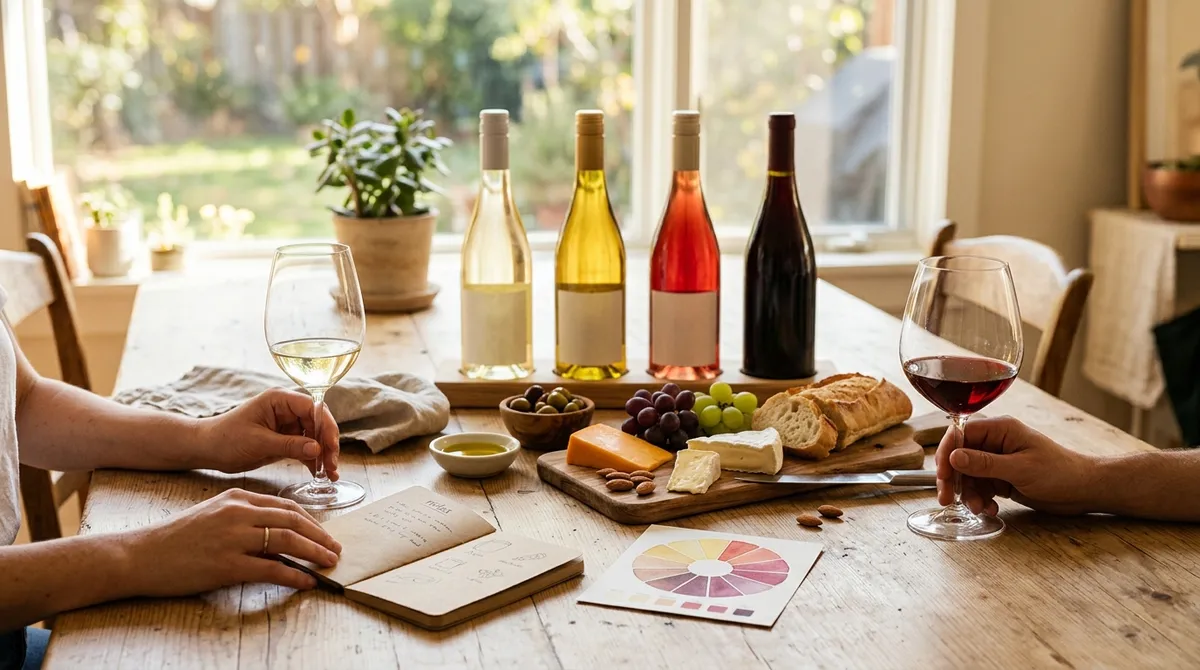
While personal preference remains paramount, there is a formal method for tasting wine that can reveal additional layers about what's in your glass, even before you begin drinking. According to wine education resources, this structured approach shouldn't be intimidating when broken down into manageable steps.
The formal tasting process involves systematic observation and evaluation that engages multiple senses. This method includes examining the wine's appearance, assessing its aroma, and then evaluating taste and texture. Each step provides valuable information about the wine's characteristics, quality, and potential food pairings.
Understanding Grape Varieties and Regions
A comprehensive wine education covers the spectrum from grape varieties to regional characteristics. Different grape types contribute distinct flavor profiles, and understanding these basics helps demystify wine selection. Reports indicate that quick-reference guides for specific grapes and regions have become particularly valuable resources for wine newcomers.
The science behind flavor development in wine involves complex interactions between grape varieties, terroir, and winemaking techniques. This scientific foundation helps explain why wines from different regions or made with different methods can taste dramatically different, even when using the same grape variety.
Serving Techniques and Storage Fundamentals
Proper wine service extends beyond simply opening a bottle. Temperature, glassware, and storage conditions all impact the wine's expression and your enjoyment. According to educational resources, these technical aspects need not be intimidating when approached with practical, straightforward guidance.
Storage considerations include temperature stability, light exposure, and positioning. These factors affect wine quality over time, making proper storage essential for maintaining the wine's intended characteristics.
Wine and Food Pairing Strategies
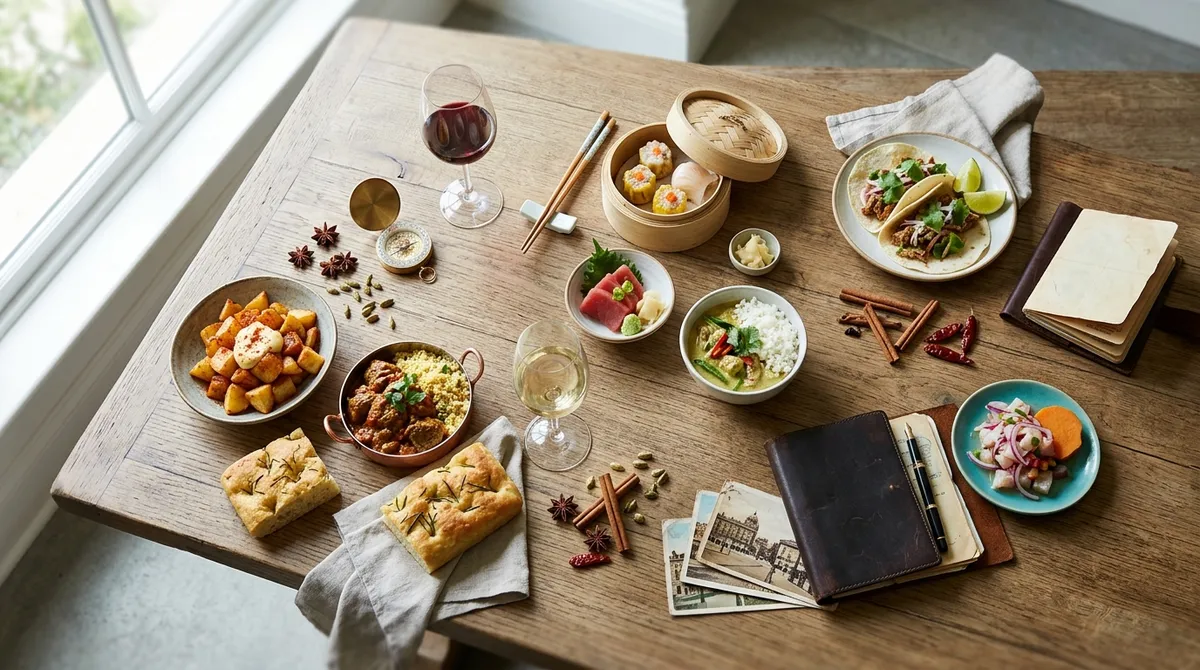
Food pairing represents one of wine's most practical applications. The interaction between wine and food can enhance both elements when done thoughtfully. Reports suggest that pairing content has become particularly popular among food and lifestyle content creators, who find substantial audience engagement with pairing recommendations and techniques.
Successful pairing often involves balancing complementary flavors or creating intentional contrasts. Understanding basic pairing principles empowers wine drinkers to make confident choices that enhance their dining experiences.
Historical Context and Cultural Significance
Wine's cultural importance spans millennia, with historical significance extending far beyond simple alcoholic refreshment. This broader context helps newcomers appreciate wine's role in human culture and understand why wine education continues to resonate with diverse audiences.
The evolution of wine culture reflects changing social attitudes and accessibility. Today's approach emphasizes education over intimidation, making wine knowledge available to anyone interested in learning.
Content Opportunities in Wine Education
The current wine education landscape offers numerous opportunities for breaking down complex topics into digestible formats. According to reports, creators are successfully developing short-form content around wine myths, grape profiles, and tasting techniques.
Interactive elements, including guided tastings and practical demonstrations, have proven particularly effective for wine education. This approach allows learners to apply theoretical knowledge immediately, building confidence through hands-on experience.
Building Confidence Without Pretension
The key to successful wine education lies in positioning knowledge as empowerment rather than exclusion. Reports emphasize the importance of maintaining a "no judgment, just knowledge" approach that encourages exploration and personal preference development.
This educational philosophy recognizes that wine appreciation is ultimately personal. While technical knowledge enhances understanding and enjoyment, individual taste preferences remain the most important factor in wine selection and appreciation.
By focusing on accessibility and practical application, modern wine education helps newcomers develop genuine appreciation while avoiding the gatekeeping that has historically made wine culture seem exclusive or intimidating.