Getting Started with Home Wine Making
According to reports, wine making has become an increasingly popular hobby for enthusiasts looking to create their own unique blends and understand the craft behind their favorite beverages. For beginners entering the world of home wine production, understanding the fundamental processes and requirements is essential for success.
Essential Equipment for Beginning Wine Makers
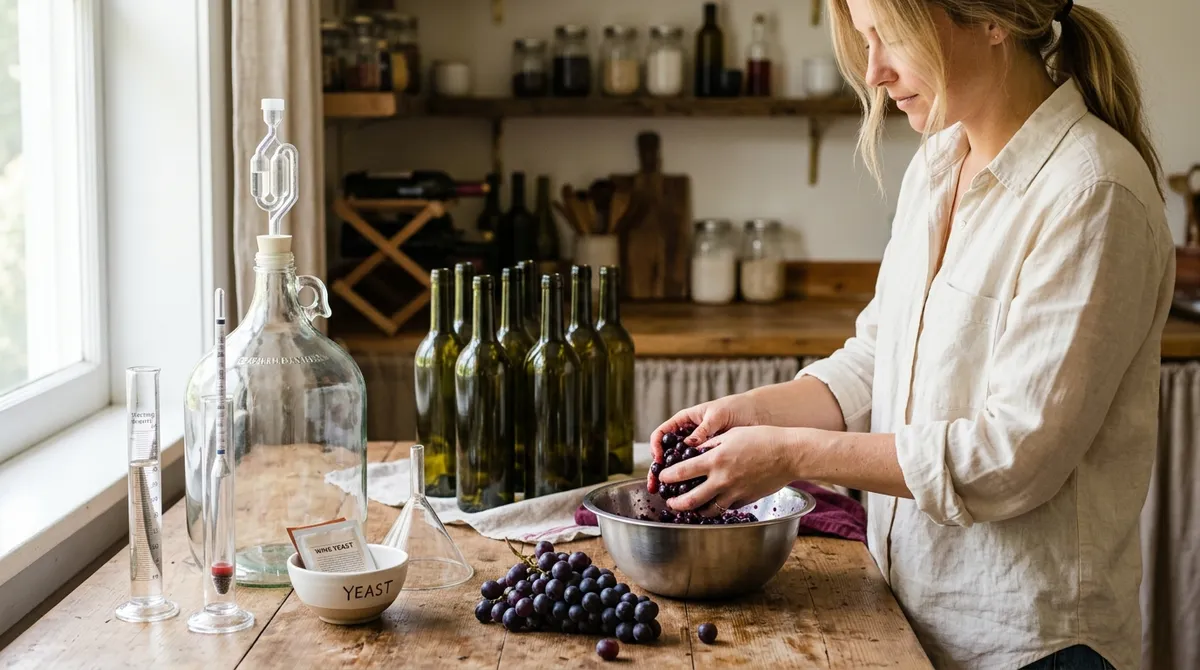
Starting a home wine making operation requires specific equipment to ensure proper fermentation and quality results. Basic equipment typically includes fermentation vessels, airlocks, hydrometers, and sanitizing solutions. Reports indicate that investing in quality equipment from the beginning can significantly impact the final product's taste and safety.
Proper sanitization stands as one of the most critical aspects of wine making, as contamination can ruin entire batches and pose health risks. Beginning wine makers should prioritize learning proper cleaning and sanitizing techniques before attempting their first batch.
Understanding the Fermentation Process
The wine making process centers around fermentation, where yeast converts sugars in grape juice into alcohol. This biological process requires careful monitoring of temperature, pH levels, and sugar content throughout the fermentation period.
According to introductory courses, primary fermentation typically takes one to two weeks, followed by secondary fermentation that can last several months. Understanding these timelines helps beginners plan their wine making schedule and set realistic expectations for when their wine will be ready for consumption.
Selecting Your First Wine Making Kit
Many beginners start with pre-made wine making kits that include concentrated grape juice, yeast, and detailed instructions. These kits provide a controlled introduction to the wine making process while minimizing the variables that could lead to unsuccessful batches.
Reports suggest that starting with simpler varieties like Merlot or Chardonnay can provide better learning experiences for beginners, as these wines are generally more forgiving during the fermentation process.
Common Mistakes to Avoid
Beginning wine makers often encounter specific challenges that can be prevented with proper knowledge. Temperature control represents one of the most critical factors, as excessive heat or cold can stop fermentation or create off-flavors in the finished wine.
Rushing the process is another common mistake among beginners. Wine making requires patience, as proper aging and clarification take time to develop the desired flavors and characteristics.
Basic Wine Making Steps
The fundamental wine making process involves several key stages that beginners must master. Starting with grape selection or juice preparation, the process moves through crushing, fermentation, clarification, and aging.
Each stage requires specific attention to detail and timing. According to introductory guidance, keeping detailed records of each batch helps beginners learn from their experiences and improve future wines.
Safety and Legal Considerations
Home wine making involves several safety considerations that beginners must understand. Proper handling of chemicals used in sanitization and clarification requires careful attention to manufacturer instructions and safety guidelines.
Legal requirements for home wine production vary by location, with most areas allowing limited quantities for personal consumption. Beginners should research local regulations before starting their wine making journey.
Building Your Wine Making Knowledge
Successful wine making combines technical knowledge with practical experience. Beginning wine makers benefit from connecting with local wine making communities, attending workshops, and continuously learning about different techniques and varieties.
According to reports, many successful home wine makers started with basic introductory courses that provided foundational knowledge before advancing to more complex techniques and equipment.
Next Steps for Aspiring Wine Makers
Once beginners master basic wine making techniques, they can explore more advanced approaches including working with fresh grapes, blending different varieties, and experimenting with various aging methods.
The journey from beginner to accomplished home wine maker requires dedication, patience, and willingness to learn from both successes and failures throughout the process.