Starting Your Wine Journey
For those new to the world of wine, the vast array of varietals, regions, and styles can seem overwhelming. According to reports, understanding wine basics provides a foundation for developing appreciation and confidence in selecting wines.
Understanding Wine Fundamentals
Wine appreciation begins with recognizing the basic elements that define different wines. The primary factors that influence wine character include the grape variety, the region where grapes are grown, and the winemaking process employed.
Grape varieties form the backbone of wine identity. Red wines typically derive from dark-skinned grapes, while white wines usually come from light-skinned varieties. The climate and soil conditions of wine regions significantly impact the final product's flavor profile and characteristics.
Basic Wine Categories
Wines generally fall into several main categories that beginners should understand. Still wines represent the majority of wine production, while sparkling wines undergo additional fermentation to create bubbles. Fortified wines contain added spirits, and dessert wines often feature higher sugar content.
Each category offers different experiences and pairs well with various foods and occasions. Understanding these basic distinctions helps newcomers navigate wine selections with greater confidence.
Developing Your Palate
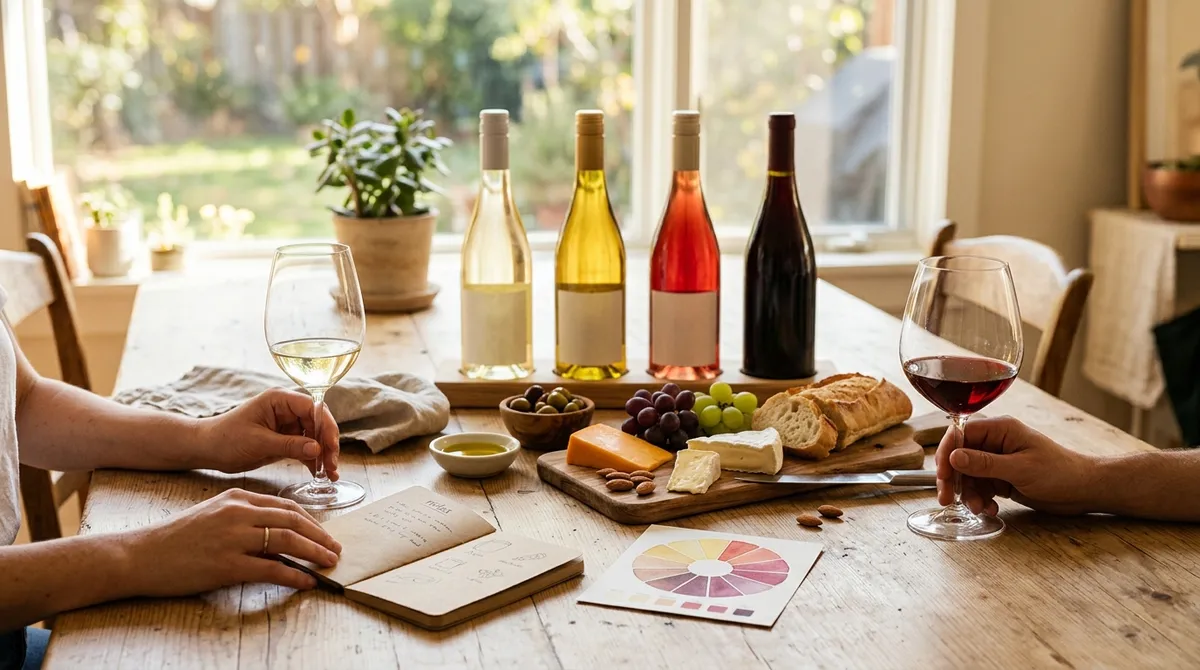
According to reports, developing wine appreciation skills takes practice and patience. Beginning wine enthusiasts benefit from tasting wines systematically, paying attention to visual appearance, aroma, and flavor components.
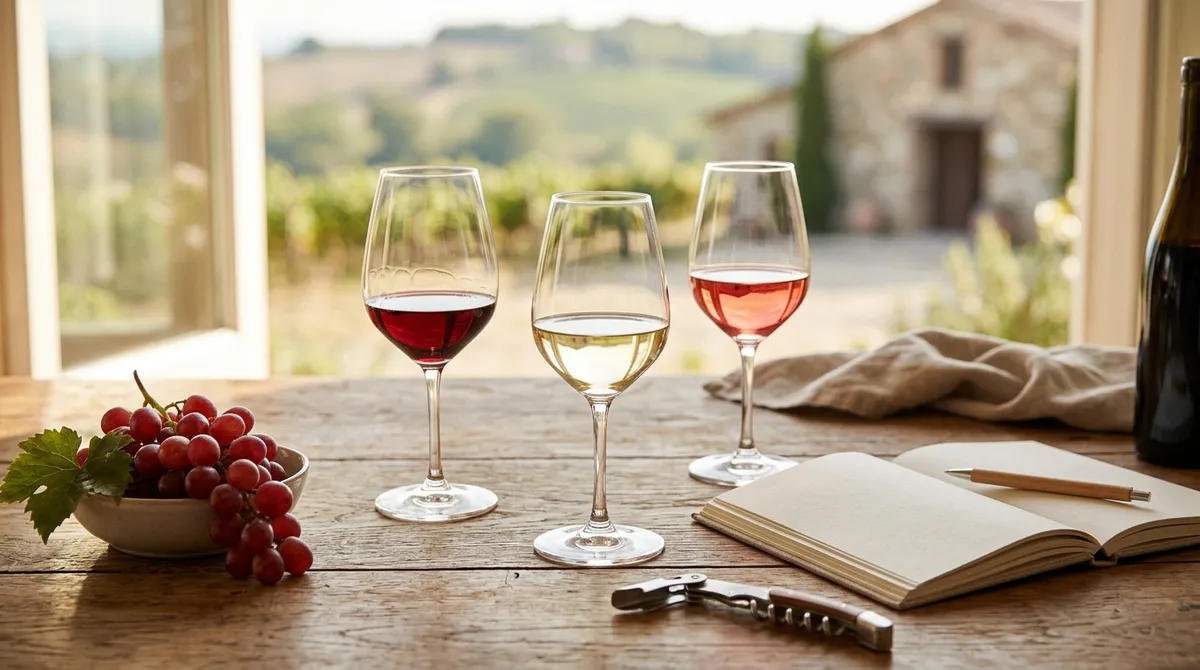
The tasting process involves observing the wine's color and clarity, swirling to release aromas, smelling to identify scent characteristics, and finally tasting to assess flavors, texture, and finish. This methodical approach helps build familiarity with wine terminology and characteristics.
Wine Storage and Serving
Proper wine handling enhances the drinking experience. Temperature plays a crucial role in wine service, with different styles requiring specific temperature ranges for optimal enjoyment. Red wines generally benefit from slightly warmer serving temperatures than white wines.
Storage conditions also affect wine quality. Consistent temperature, minimal light exposure, and proper humidity levels help preserve wine characteristics. Even beginners can implement simple storage practices to maintain wine quality.
Building Wine Knowledge
The wine world offers numerous learning opportunities for enthusiastic beginners. Wine tastings, both formal and informal, provide hands-on experience with different styles and regions. Many wine shops and restaurants offer educational events specifically designed for newcomers.
Reading wine labels becomes easier with practice and basic knowledge of wine terminology. Understanding label information helps consumers make informed purchasing decisions and develop preferences based on specific wine characteristics.
Practical Tips for Beginners
Starting a wine journey doesn't require significant financial investment. Many quality wines are available at reasonable prices, allowing beginners to explore different styles without major expense. Keeping simple tasting notes helps track preferences and build wine knowledge over time.
Pairing wine with food enhances both the meal and wine experience. Basic pairing principles suggest matching wine intensity with food weight, and complementary or contrasting flavors can create harmonious combinations.
Moving Forward
According to reports, wine appreciation develops gradually through continued exploration and tasting. Beginners should focus on identifying personal preferences rather than adhering to expert opinions exclusively. The wine world offers endless discovery opportunities, from local varietals to international regions.
Regular practice and open-minded exploration help build confidence and enjoyment in wine selection and appreciation. The journey of wine discovery provides ongoing learning opportunities and social connections with fellow wine enthusiasts.